Lockdown ready hardware – Safeguarding against external and internal threats has never been higher on the agenda in education, and more schools and colleges are developing formal lockdown procedures to deal with a range of potential threats, from intruders to local emergencies. Any parent with a child in school or college will tell you that evacuation invacuation drills are now an everyday part of the school day. In these scenarios, door hardware becomes critical: it must allow spaces to be secured quickly from the inside without preventing safe escape when that is needed.
Here’s what architects, specifiers and estate managers need to consider when selecting lockdown-ready hardware.
1. Quick and Intuitive Locking
In an emergency, staff need to secure doors immediately. Locking hardware must be operable without a key and with minimal training. Options might include thumbturn locks that allow a door to be locked from the inside without a key. There are options designed especially for classrooms – classroom locks – often including an external key override so staff can access rooms if needed. In some settings, an internal push-button lock is a fast way to lock down doors in an emergency, sometimes in conjunction with electronic access systems.
2. Emergency Override and Escape
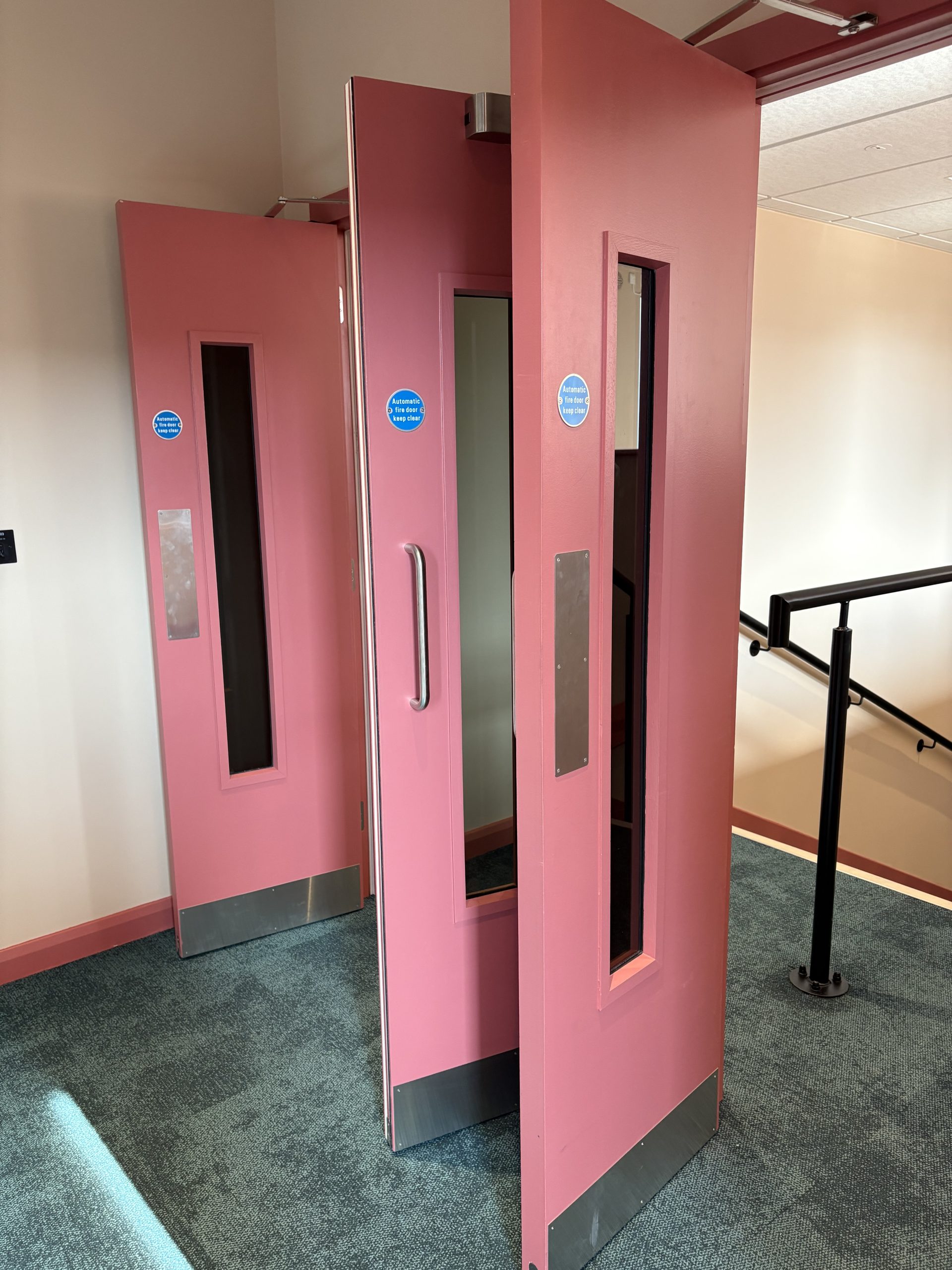
Of course, doors need to be locked securely, but they shouldn’t compromise escape routes or become barriers to escape in the case of an emergency. Some locks have a classroom security function that allow staff to lock the door from the inside but can still be opened from the outside without a key. This balances lockdown protection with life safety.
In vulnerable settings, like SEND units or pastoral rooms, doors may need to be opened from the outside in an emergency. In these cases, anti-barricade hinges or emergency release hardware should be considered.
3. Integration with Access Control
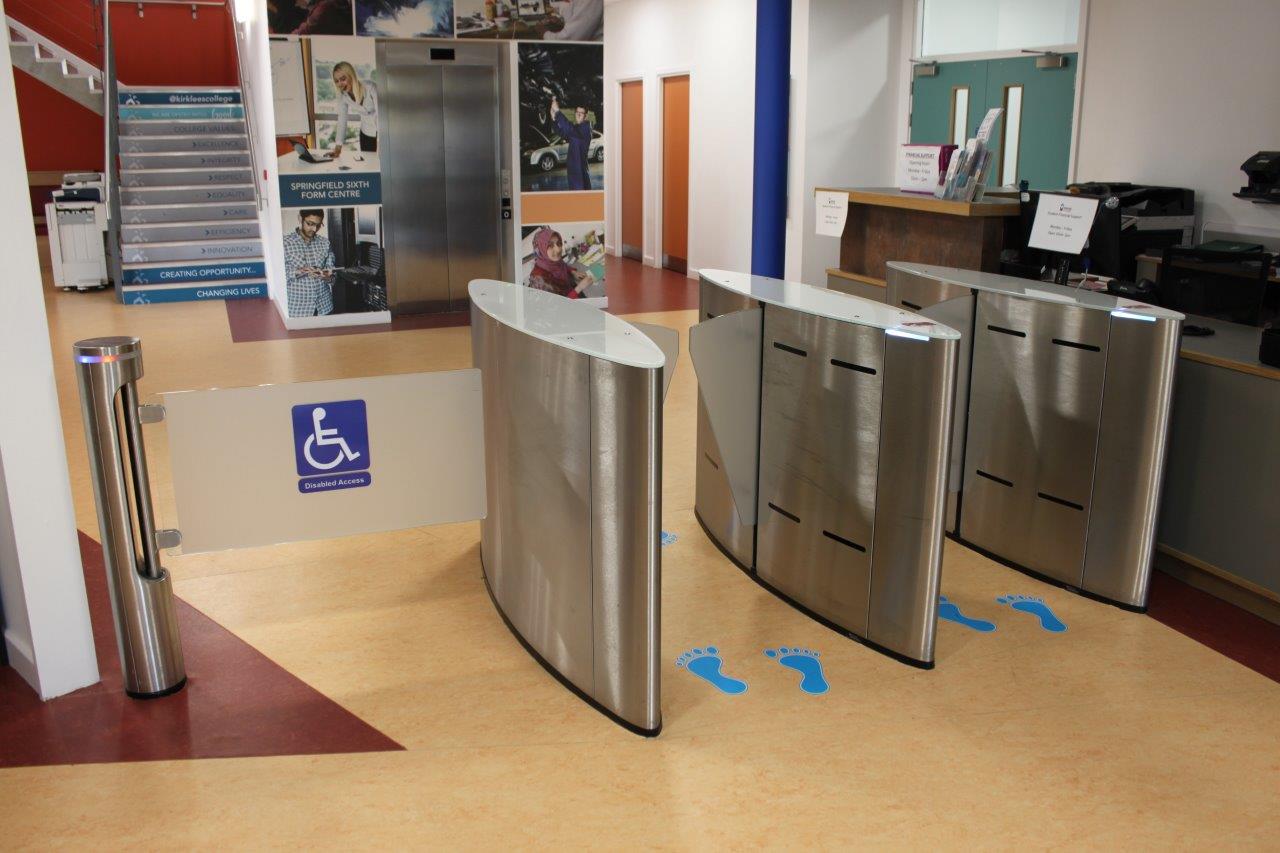
Many schools now use electronic access systems for daily operations. These can also support lockdown functionality when designed correctly. An access control specialist can configure these systems to lock down specific zones at the press of a button, ideal for larger campuses where different responses may be required in other areas. It is also essential to understand whether doors should unlock or remain locked in a power failure – fail-safe or fail-secure. Critical escape routes should always allow exit.
4. Staff Training and Procedures
Even the best hardware won’t be effective without proper training and procedures. Using a consistent locking design and function across classrooms and offices could reduce confusion in an emergency, and all staff should be trained in how to operate locks, when to initiate lockdown, and how emergency access is provided.
Lockdown hardware for schools and colleges must strike a balance: fast to operate, secure against threats, but never a barrier to escape. With the right specification and training, hardware can support a calm, coordinated response when it matters most.
If you would like help making your nursery, school, college or university lockdown-ready, speak to our access control and ironmongery specialists.
Read our case study – A SMARTER LOCKDOWN AT SIRIUS ACADEMY WEST