Access control systems are no longer just about simply locking and unlocking doors. In modern buildings, building access control must sit at the junction of security, safety, accessibility, and operational efficiency. From schools and hospitals, to commercial offices including shared workspaces, access control must manage high user volumes, integrate with other building systems, and adapt and scale as buildings evolve.
How do well-designed access control systems work in practice, and what do specifiers, building owners, and facilities managers need to consider when planning an access control strategy that is secure, compliant and future-proof?
What is an Access Control System?
An access control system regulates who can enter a building, room or site, when they can access it and under what conditions. Instead of relying on mechanical keys, modern systems use digital credentials and centralised management software to control and monitor access.
A properly specified access control system:
- Controls access by individual, group, location and time
- Provides a clear audit trail of who accessed which door, when and how often
- Integrates with fire alarms, intruder alarms and CCTV
- Supports accessibility and inclusive design
- Scales as a building’s use or occupancy changes
Why Access Control Matters in Shared and High-Traffic Buildings
Buildings with multiple users and changing occupancy levels place particular demands on access control. Co-working spaces, like Department, differ significantly from traditional offices. Users arrive and leave throughout the day, visitors require temporary access, and different areas demand different permission levels. Without a flexible access control system, these environments can quickly become difficult to manage, insecure or frustrating to use.
Case Study: Access Control at Department, Leeds Dock
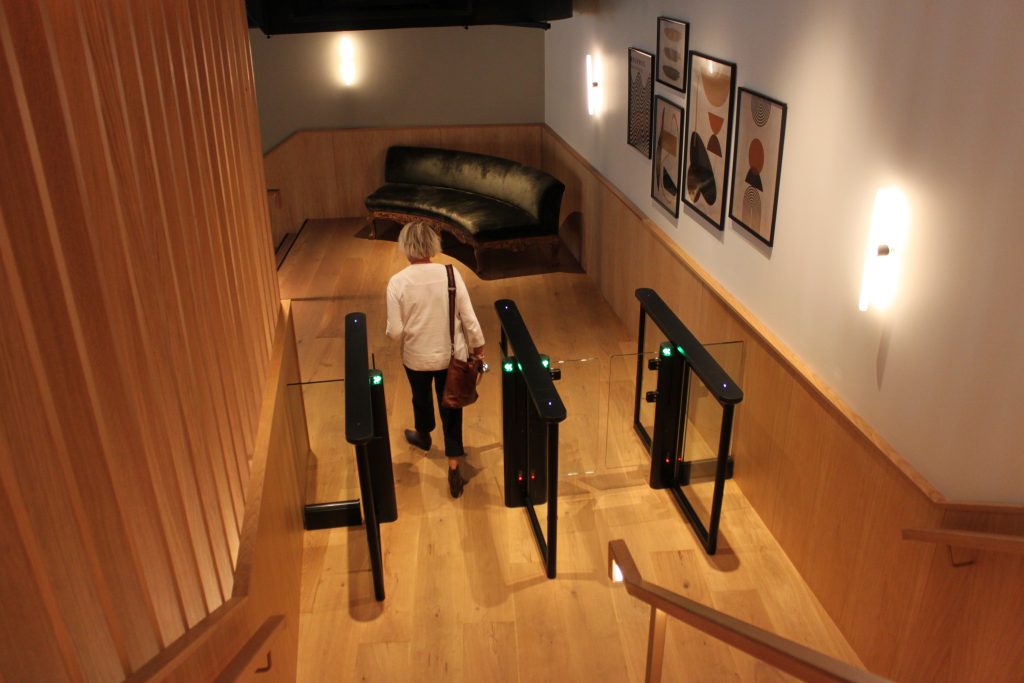
Department is a shared co-working environment designed for Leeds’ media, creative and digital businesses. Located within Leeds Dock, it offers office space alongside hospitality, social and wellness facilities.
This type of environment required an access control system that could:
- Handle large numbers of users
- Support different access permissions for staff, members and visitors
- Operate smoothly during peak arrival times
- Be managed remotely by the building team
- Scale as the workspace grows
Em‑B designed and supplied a cloud-based access control system using the Salto KS platform. The system allows users to access the building using their smartphones. At the same time, the Department management team can control doors, users and permissions in real time via a web or mobile interface.
The solution integrates automatic doors and speed gates to manage traffic flow at the main entrance, ensuring quick, intuitive access without compromising security. Because the system is wireless and cloud-based, it is future-proofed for expansion into lockers, parcel delivery, asset management, and time-and-attendance systems.
Types of Access Control Systems
Credential-Based Access Control Systems
Most systems are built around one or more of the following access methods:
- Something you have: cards, fobs or mobile credentials (RFID and smart access)
- Something you know: PIN codes or passwords
- Something you are: biometric identification, such as a fingerprint or facial recognition
These methods can be used individually or combined to create multi-factor authentication for higher-risk areas.
Online and Cloud-Based Access Control Systems
For buildings with many users or multiple locations, online access control systems provide centralised management. Permissions can be updated instantly, lost credentials can be revoked remotely, and full audit trails are available at any time.
This approach is particularly effective for shared offices, education settings and commercial buildings with flexible occupancy.
Integration with Fire Safety and Building Systems
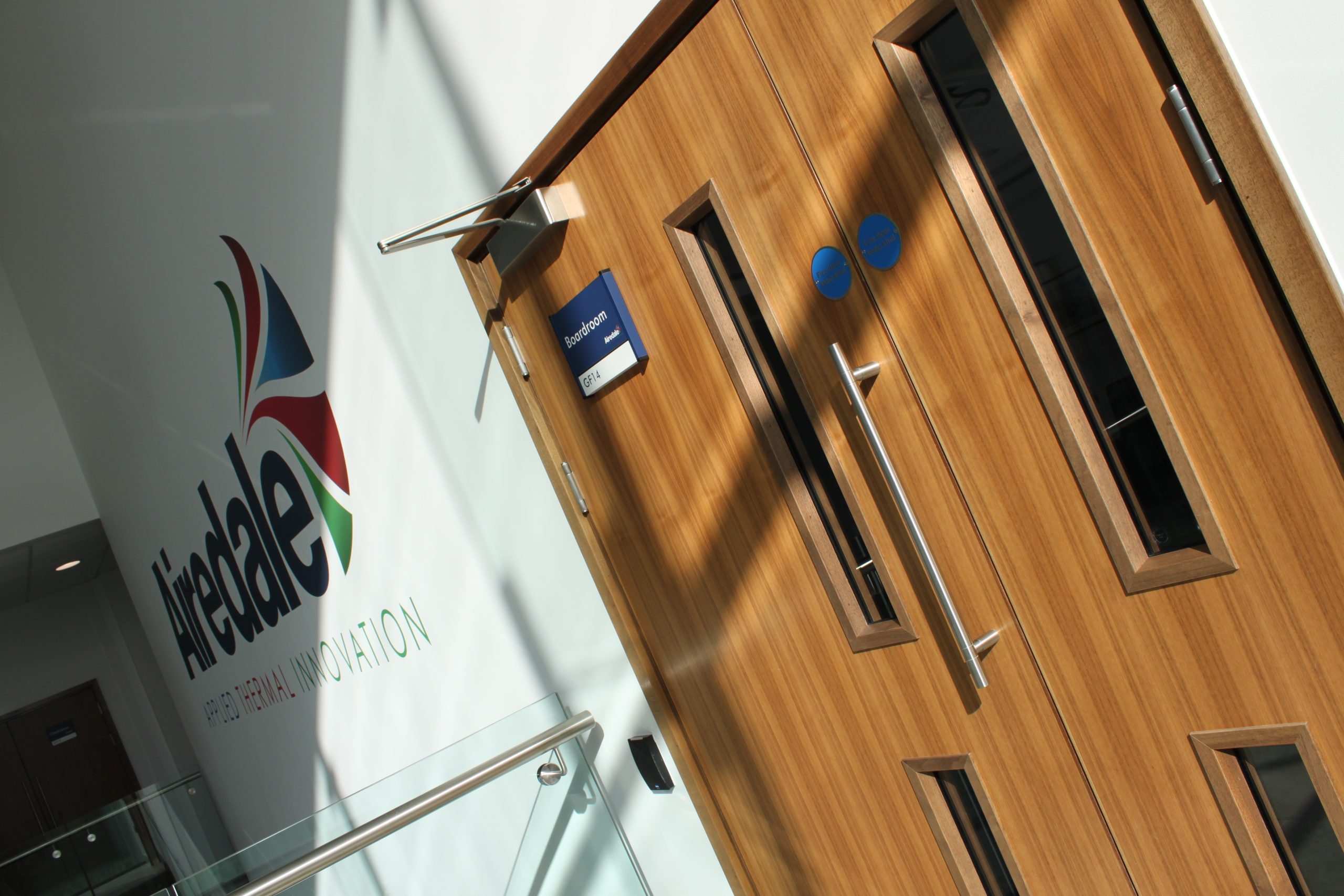
Access control must never compromise life safety. Modern systems are designed to integrate with fire alarm systems so that doors release automatically in the event of an alarm.
Typically, this is achieved using fail-safe locking. When the power goes off the doors unlock to allow a safe escape. In certain controlled environments, fail‑secure options may be specified where appropriate, provided they meet regulatory and risk‑assessment requirements.
Access control can also integrate with:
- Fire alarm interfaces
- Intruder alarms
- CCTV and video entry systems
- HR and facilities management software
- Martyn’s Law arrangements
Accessibility and Inclusive Design
Access control plays a vital role in making buildings accessible. Systems can be configured to work with automatic doors, with proximity readers adjusted to allow hands-free access from farther away.
For users with reduced mobility, this improves independence and ease of movement without requiring additional staff intervention. When designed properly, access control supports both security and inclusivity.
Key Considerations When Specifying Access Control Systems
Specifiers and building owners need to consider many factors when they are planning an access control strategy right from the beginning of the planning stage:
- The number of users and the expected traffic levels
- The required access permissions and zoning
- Integration with fire safety and security systems
- Data protection and GDPR compliance
- Scalability and future expansion of the system
- Ease of management for the facilities teams
Getting an experienced access control specialist involved from an early stage will help ensure these factors are addressed before doors, hardware and systems are finalised.
Next Steps
Whether you are planning a new building or upgrading an existing one, access control should be considered early and integrated into the wider door and security strategy.
Em‑B’s specialist access control team designs, supplies, and installs integrated systems for commercial, educational, healthcare, and shared-use buildings nationwide. To discuss your project or explore the right access control solution, contact Em‑B’s access control specialists.
FAQs
Access control systems are used to manage who can enter a building, room or specific area, and when. In modern buildings, they go beyond basic security by integrating with systems such as fire alarms, CCTV and building management platforms. This allows building managers to control access in real time, maintain audit trails and ensure both safety and compliance. They are particularly important in high-traffic or shared environments where user numbers and access needs change frequently.
Traditional access control systems are usually managed locally and rely on physical credentials such as keys, cards or fobs. Cloud-based access control systems, by contrast, are managed through a secure online platform. This allows permissions to be updated remotely, access to be granted or revoked instantly, and activity to be monitored across multiple doors or sites. Cloud-based systems are more flexible and scalable, making them well-suited to modern buildings with changing occupancy.
Access control systems are designed to work alongside other building systems to improve safety and efficiency. For example, they can be linked to fire alarm systems so that doors automatically release in an emergency. They can also integrate with CCTV, intruder alarms and HR or facilities management software to provide a joined-up view of building activity. This integration ensures that access control supports both security and day-to-day building operations.