Walk through a contemporary luxury home, and you may struggle to find the utility room. The pantry could be concealed behind a run of kitchen cabinetry. A cloakroom door might disappear into wall panelling. A home office, gym or cinema room may sit secretly behind what appears to be an ordinary wall.
Secret doors have become one of the defining features of high-end residential design. Social media is partly responsible. Videos revealing hidden rooms and concealed entrances attract millions of views, and there is undeniable novelty in a door that seems to appear out of nowhere.
Yet the growing popularity of concealed design is about much more than surprise. Architects and interior designers are increasingly looking for ways to create calmer, less cluttered interiors. The aim is often to allow materials, light and architecture to take centre stage, reducing visual distractions wherever possible. In that context, doors, frames, hinges and handles can sometimes be seen as interruptions rather than features. And the result is a growing demand for doors that quietly disappear into their surroundings.
Why Designers Want Doors to Disappear
Traditional doors announce their presence. The frame is visible. The architrave creates a border. Hinges, handles, and locks all contribute to the overall appearance, in many settings that is entirely appropriate. Architectural hardware can add character, texture and visual interest to a room.
But, more and more, contemporary residential design is taking a different approach. Many architects and interior designers are now working towards cleaner wall elevations, uninterrupted sightlines and a more restrained material palette. Open-plan living spaces have become larger and more connected. Joinery is increasingly integrated into the architecture itself. Every visible element is expected to justify its presence.
Against that backdrop, reducing the visual impact of doors becomes a logical design decision. A concealed door allows attention to remain on the wider architectural composition. The wall becomes more important than the opening within it. Materials can flow uninterrupted across a space, creating a calmer and more cohesive environment. The objective is not to hide functionality, it is to integrate it more thoughtfully.
Not All Concealed Doors Are the Same
The phrase “hidden or invisible door” tends to cover a wide range of different design approaches. Some projects use flush doors that sit perfectly level with the surrounding wall, eliminating projecting architraves and reducing visual clutter. Others incorporate doors into wall panelling, allowing them to blend into the surrounding detailing.
Pocket doors offer another solution. Rather than swinging into a room, the door slides into a cavity within the wall, disappearing entirely when open. This can be particularly useful where architects want to create flexible connections between spaces without permanently sacrificing floor area, or where space is limited, such as in an en-suite.
Sliding-feature doors are becoming increasingly popular, too. Large timber or glazed panels can divide spaces when privacy is required and disappear when a more open arrangement is preferred.
Although these solutions look very different, they are all attempting to achieve the same thing: giving designers greater control over what occupants see and experience as they move through a building.
The ‘Invisible’ Hardware Nobody Notices
Ironically, the success of a concealed door often depends entirely on hardware that nobody notices. A hidden door that sticks, rattles or feels awkward to operate quickly loses its appeal. The illusion only works when the door functions effortlessly. This is where architectural hardware becomes particularly important. Concealed hinges, hidden frames, magnetic catches, finger pulls and specialist sliding systems all contribute to the finished result. The hardware must be reliable enough to withstand daily use while remaining visually discreet.
In many cases, the technical challenge increases as the hardware becomes less visible.
A conventional handle is generally forgiving, while a hidden finger pull or magnetic latch often relies on precise coordination between multiple components. The cleaner the finished appearance, the more work is usually happening behind the scenes.
What Overdale Can Teach Us
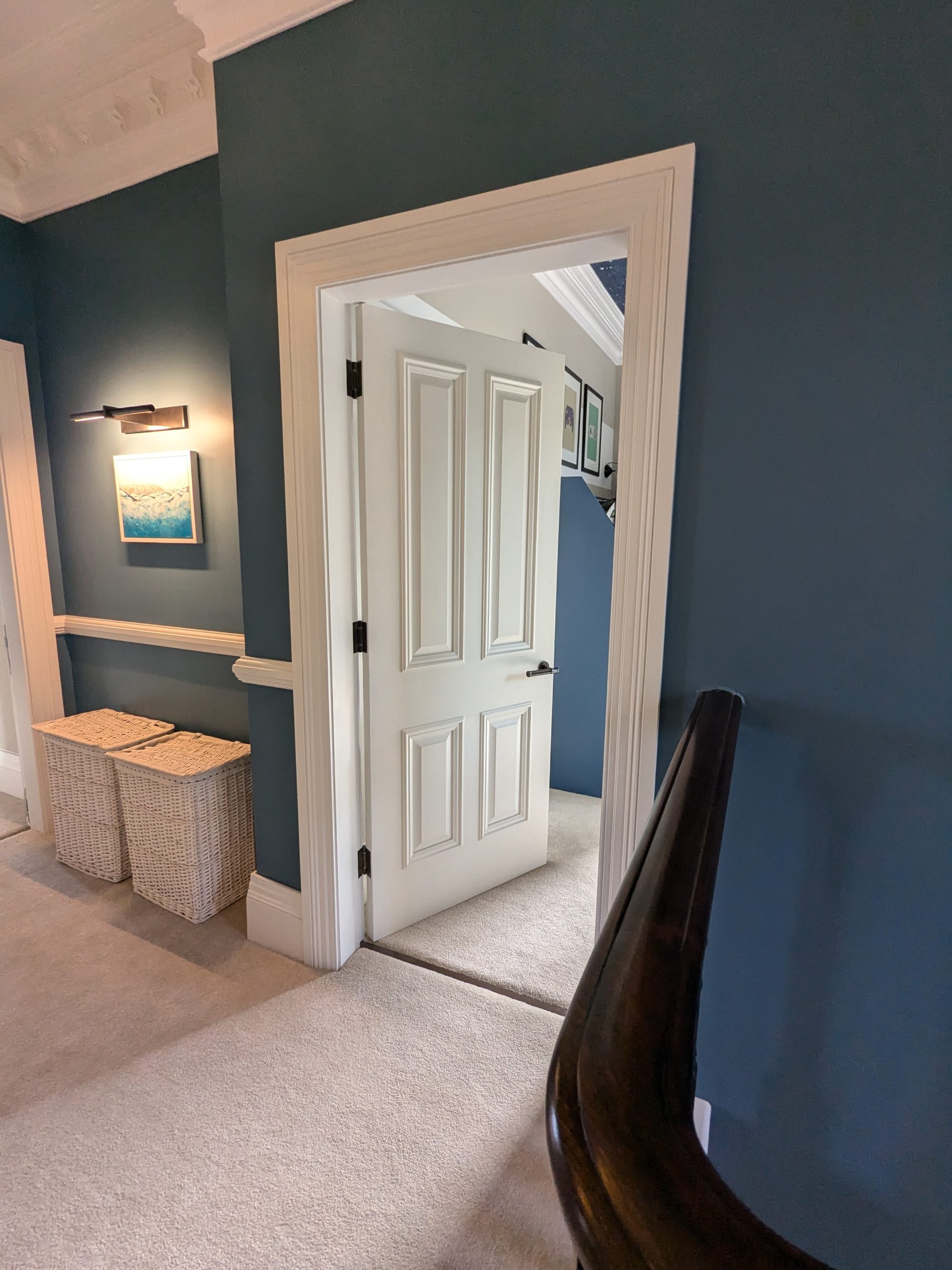
The award-winning Overdale project in Ilkley provides an excellent example of concealed design being used as part of a wider architectural concept. The Victorian property was transformed into a contemporary family home while retaining its historic character. Throughout the project, hidden elements were used to support the design rather than dominate it. Secret doors were integrated into wall panelling and joinery, while concealed hardware helped maintain clean lines and visual continuity throughout the house.
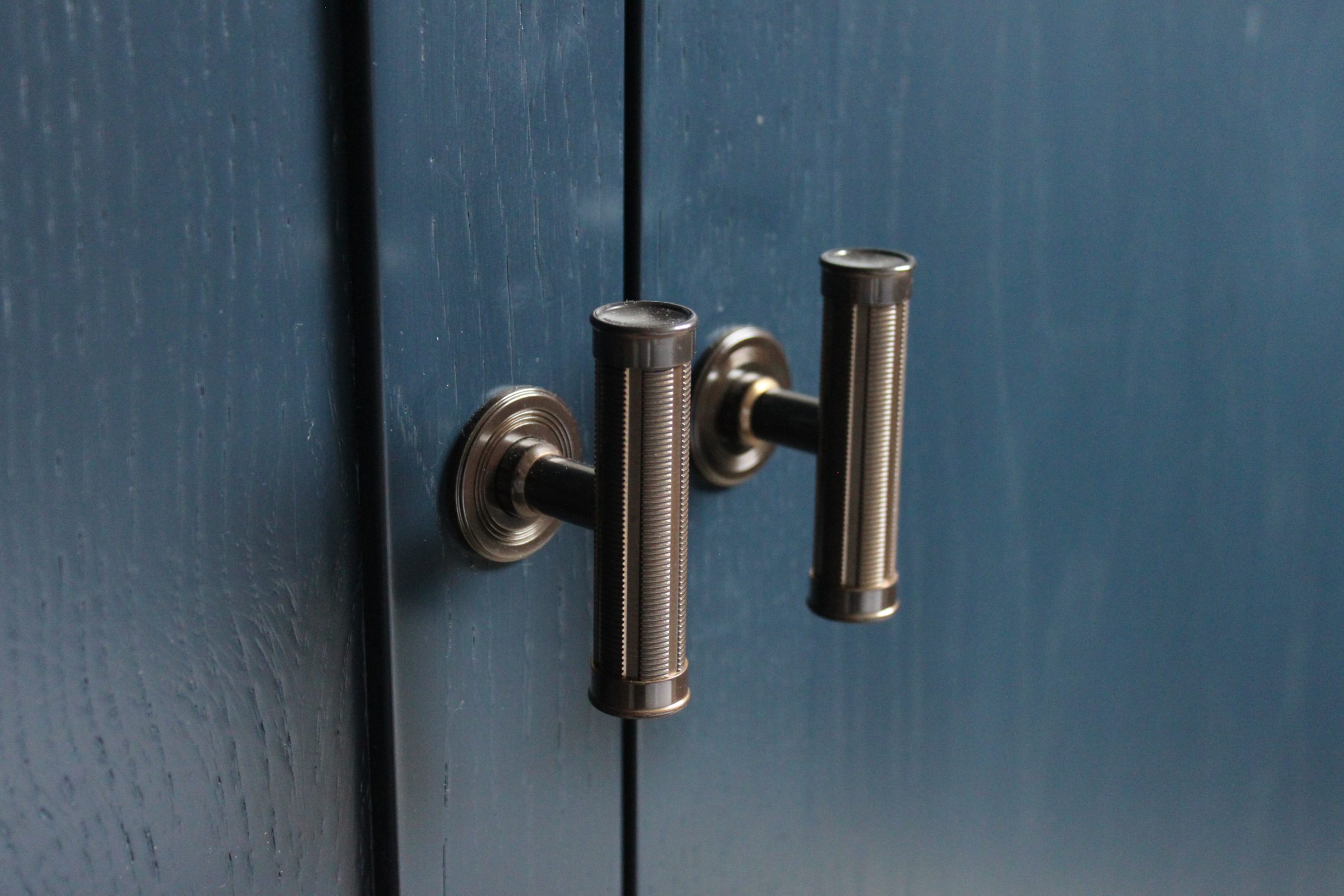
Some of the most effective details appear in the walnut kitchen, where concealed hinges, concealed closers and matching finger pulls allow doors to sit discreetly within the wider joinery scheme. Rather than drawing attention to individual components, the detailing allows the material itself to become the focus.
The project also incorporates pocket doors and sliding walnut partitions that help define different areas of the house while preserving flexibility and openness. What is particularly interesting about Overdale is that the hidden elements never feel gimmicky. They support the wider design narrative rather than existing purely as a talking point.
Hidden Complexity
Concealed doors often look deceptively simple. In reality, they demand close coordination between architects, interior designers, joinery manufacturers and architectural ironmongers. Small inaccuracies that might go unnoticed on a conventional door can become highly visible when working with flush surfaces and concealed components.
Wall construction, the door frame and weight, tolerances, and hardware specifications all need careful consideration. Decisions made early in the design process can have a significant impact on the project later on, and this is one reason why specialist input can be so valuable. The most successful concealed door installations are usually the result of collaboration rather than individual product selection.
As the Overdale project demonstrates, a hidden door can be a notoriously unforgiving piece of detailing: the operation needs to feel intuitive, and the tolerances need to be precise.
When Invisible Design Works Best
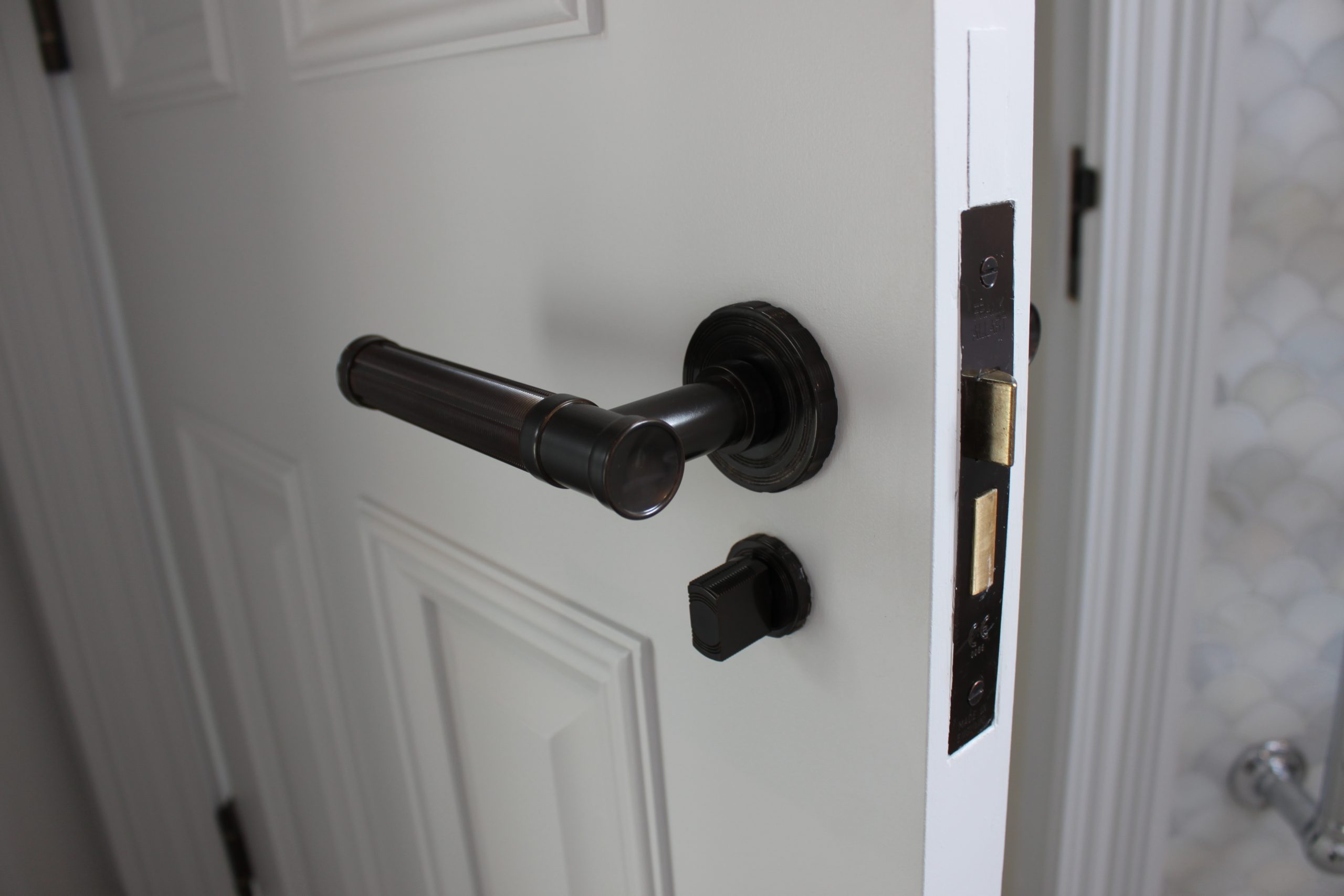
Of course, concealed doors might not be the right solution for every project. Some interiors benefit from celebrating architectural hardware rather than hiding it. A beautifully detailed bronze lever handle or a carefully crafted timber door can significantly enhance the character of a space.
If the objective is to create visual calm, uninterrupted surfaces, and a strong architectural presence, concealed design can be extremely effective. If the aim is to celebrate craftsmanship, materiality and decorative detail, a more traditional approach may be appropriate.
The popularity of hidden doors suggests that many architects and interior designers see real value in creating spaces that feel simpler, calmer and less cluttered. As the systems available continue to improve, concealed design is likely to remain an important part of residential architecture for years to come.
Further Reading on Residential Hardware
This is part of our series of features on residential door hardware.
You may also be interested in:
- Why Architects Obsess Over Door Hardware (And Homeowners Don’t Notice It)
- Choosing Architectural Hardware Finishes for Luxury Homes
- Overdale: Realising the Designer’s Vision Through Architectural Hardware
Frequently Asked Questions
A concealed door is designed to blend into the surrounding wall, panelling, or joinery, making it less visually prominent than a traditional door. This is often achieved using concealed hinges, hidden frames and minimal hardware.
A concealed door is intended to minimise visual impact. A secret door takes the concept further by completely disguising the opening, often integrating it into shelving, panelling or bespoke joinery.
A pocket door slides into a cavity within the wall when opened, allowing it to disappear completely from view and freeing up valuable floor space.
Yes. Concealed doors generally require greater precision during design and installation. The hardware, frame and surrounding construction all need to work together to achieve the desired appearance and performance.
Depending on the application, concealed doors may use hidden hinges, magnetic catches, concealed closers, finger pulls, push-to-open systems or specialist sliding door hardware.
They can be. Concealed doors are often used in heritage refurbishments to discreetly integrate modern living requirements while preserving the character of original spaces.
Concealed doors help create cleaner architectural lines, reduce visual clutter and allow designers greater control over how spaces are experienced and connected.