A well-designed home is rarely defined by a single feature. More often, it is the result of hundreds of carefully considered decisions working together. Architects and interior designers understand this. While clients are often drawn to the larger elements of a project like the staircase, the kitchen, the glazing or the view, it is frequently the smaller details that determine whether a scheme feels resolved and coherent. Architectural hardware finishes is a good example of that.
Door handles, cabinet furniture, locks, hinges and window fittings may account for only a tiny proportion of a project’s overall budget, yet they are among the few elements that occupants physically interact with every day. They also have an important visual role, helping to tie together different materials, finishes and design styles throughout a home.
Choosing the right finish is therefore about far more than deciding whether a handle should be brass, bronze or black. It is about understanding how those choices contribute to the wider design story.
Think in Palettes, Not Products
One of the most common mistakes in residential specification is treating architectural hardware as a series of individual purchasing decisions. A handle is chosen for one room. A cabinet pull is selected for another. Window furniture is specified separately. Before long, the project contains half a dozen finishes that looked appealing in isolation but don’t necessarily belong together. The most successful residential schemes tend to take a different approach to architectural hardware finishes.
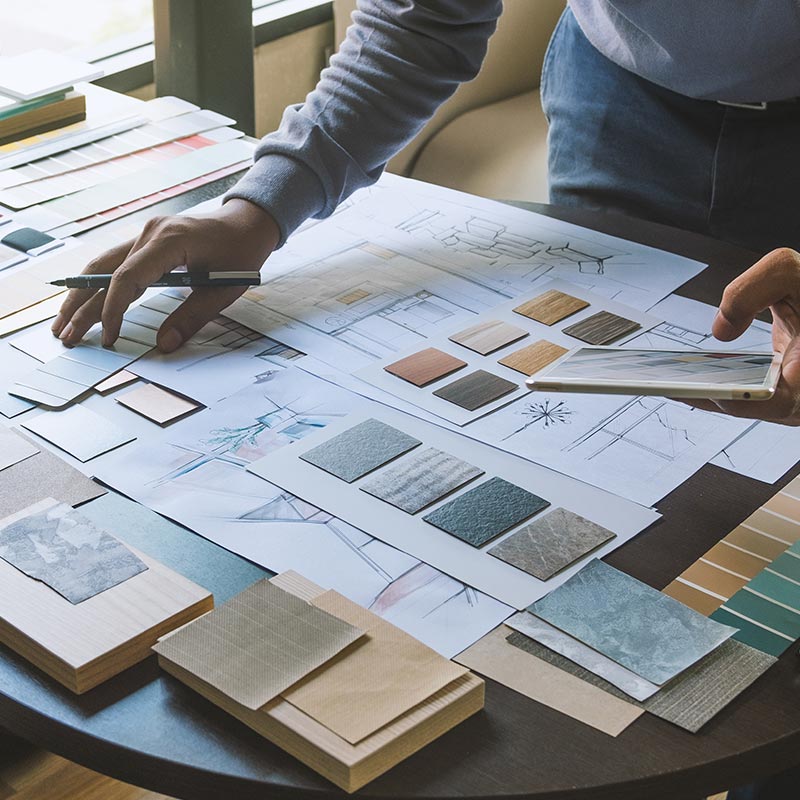
Rather than selecting products one by one, architects and designers establish a material palette that runs throughout the property. Hardware then becomes part of that wider design language. Door furniture, cabinetry, lighting details and even electrical accessories can all work together to create a sense of continuity.
That doesn’t mean every finish must match perfectly. In fact, overly coordinated interiors can sometimes feel forced. The objective is consistency rather than uniformity; creating enough connections throughout the building that the design feels intentional.
Bronze: Warmth, Depth and Character
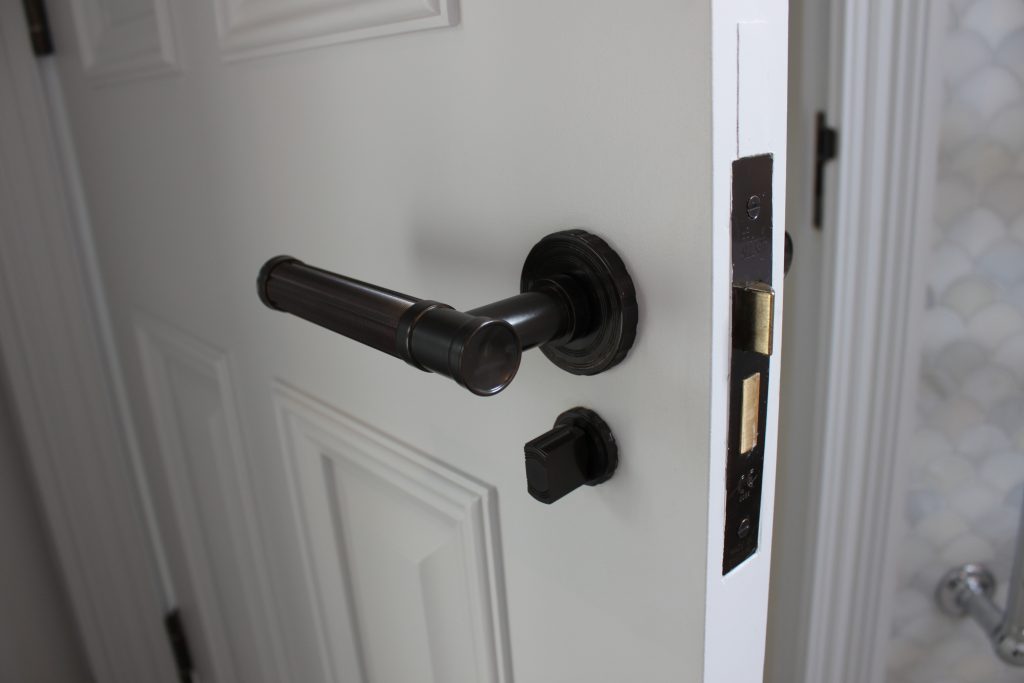
Few architectural hardware finishes have become as closely associated with contemporary residential architecture as bronze. Part of its appeal lies in its ability to add warmth without becoming overly decorative. Bronze sits comfortably alongside natural materials such as timber, stone and plaster, creating a richness that feels understated, not showy. It tends to absorb light rather than reflect it, which gives it a depth that many designers find particularly attractive.
It is also remarkably versatile. Bronze can feel equally at home in a minimalist contemporary extension or a carefully restored period property. For architects working on heritage projects, it often provides a useful bridge between old and new, introducing a contemporary finish without creating a jarring contrast with traditional materials.
This versatility is one of the reasons bronze continues to appear in many award-winning residential schemes. It feels architectural rather than fashionable, making it a safer long-term choice than finishes driven primarily by trends.
Brass: A Finish That Evolves With the Building
Brass has remained popular for generations, but the reasons architects specify it today are often different from those of previous decades. Increasingly, designers are attracted to the character that brass develops over time. Unlacquered brass is a living finish, meaning it gradually changes as it reacts with the environment and is handled by occupants. The bright, polished appearance seen on day one slowly develops into something softer and more individual.
For some clients, this natural ageing process is one of brass’s greatest strengths. It allows the hardware to acquire its own character and history, becoming more closely connected to the life of the building.
Others prefer a more consistent appearance and opt for lacquered or PVD-coated brass architectural hardware finishes that maintain their original look for longer. Neither approach is right or wrong. The decision depends on the design intent and, perhaps more importantly, on whether the client understands and embraces the changes that will occur over time. A living finish can be beautiful, but only if everybody involved understands what they are signing up for.
Black: More Than a Contemporary Default
Black hardware has become a familiar sight in residential design over the past decade. Part of its popularity stems from its ability to create contrast. Against pale walls, timber finishes or natural stone, black hardware provides definition and visual clarity. It can help emphasise architectural lines and create a strong contemporary aesthetic.
The danger is that black has become the automatic choice for many projects simply because it is perceived as the latest thing. Like any finish, it works best when it forms part of a wider design strategy. In schemes where contrast is already an important part of the material palette, black hardware can reinforce that approach very successfully. In softer or more traditional interiors, however, it can sometimes feel unnecessarily stark.
Stainless Steel: The Quiet Achiever
Stainless steel rarely attracts the same attention as bronze or brass, but that shouldn’t be mistaken for a lack of design value. Its strength lies in its versatility. It works comfortably in contemporary settings without feeling overly industrial and can sit equally well within more traditional environments. Unlike some architectural hardware finishes that rise and fall in popularity, stainless steel has remained consistently relevant for decades.
There are also practical advantages. Its durability makes it particularly suitable for busy family homes, while marine-grade stainless steel is often the obvious choice for coastal properties where corrosion resistance is a key consideration.
Designers sometimes overlook stainless steel because it lacks the drama of darker or warmer finishes. Yet in many projects, restraint is precisely what is required. Not every element of a building needs to make a statement.
Don’t Forget How Finishes Age
One of the most important considerations when selecting architectural hardware is how the finish will look five or ten years after installation. Designers naturally focus on how a project will appear at completion, but residential buildings are expected to last for decades. Hardware finishes will be touched, cleaned, exposed to sunlight and subjected to everyday wear.
Some finishes develop character as they age. Others maintain a more consistent appearance. Neither outcome is inherently better, but clients should understand the difference before making a final decision. A finish that looks beautiful in a showroom may behave very differently once installed in a busy family home.
Lessons From Overdale
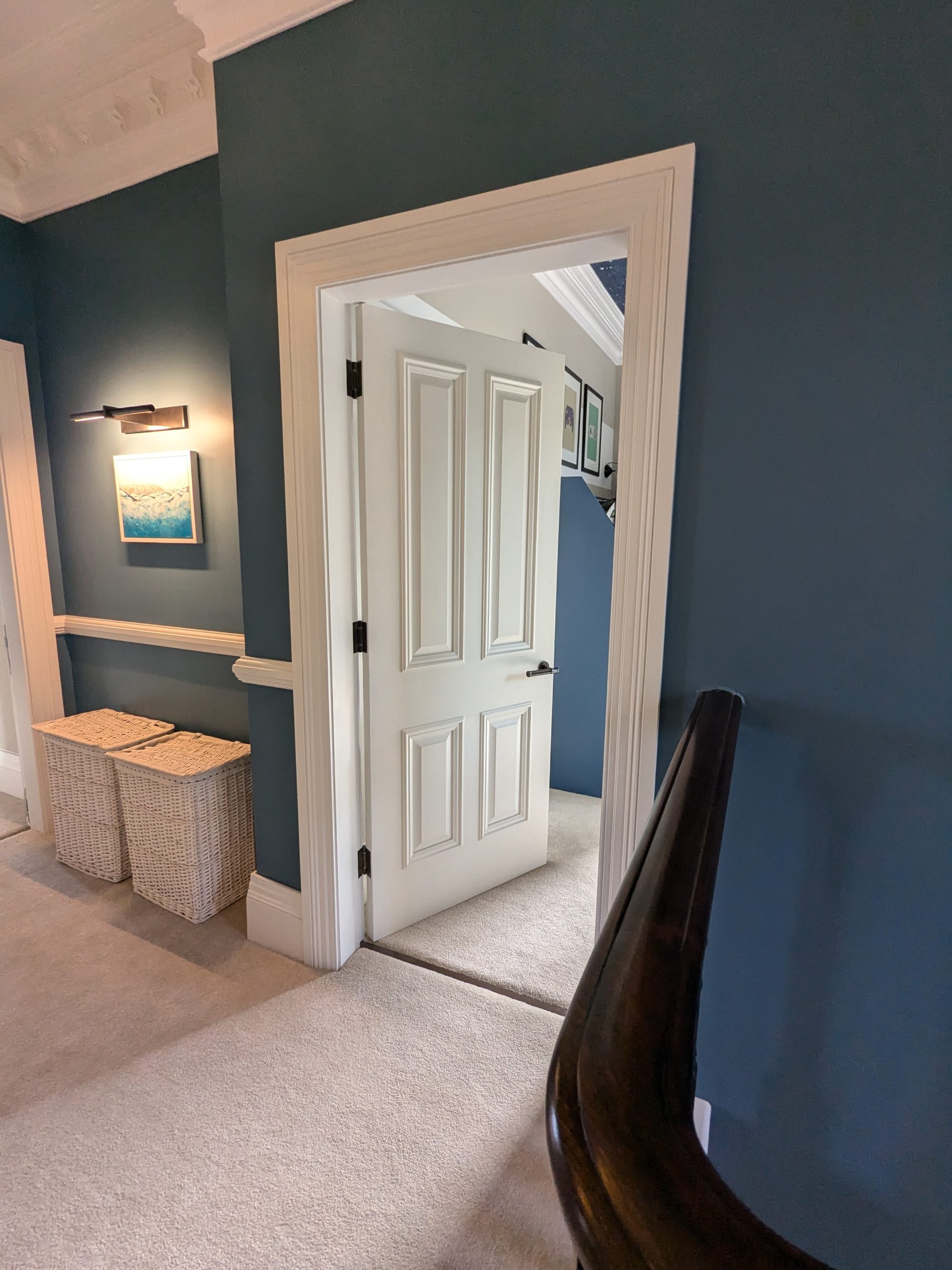
Our award-winning Overdale project in Ilkley demonstrates the value of treating architectural hardware finishes as part of the wider architectural vision. The Victorian property combines heritage features with contemporary interventions, creating a home that feels both rooted in its history and entirely suited to modern living. Throughout the project, architectural hardware was considered within the context of the broader material palette rather than as a standalone specification exercise.
The Imperial Bronze finish selected for the scheme contributes to that balance. It complements both traditional and contemporary elements, helping to create a consistent visual language throughout the property without drawing attention away from the architecture itself.
Perhaps that is the ultimate test of successful finish selection. The hardware should feel as though it belongs. Not because it matches everything else perfectly, but because it supports the character and ambitions of the wider design.
This Article Is Part of Our Residential Design Series
This article is part of a series exploring the role of architectural hardware in residential architecture and interior design.
You may also be interested in:
- Why Architects Obsess Over Door Hardware (And Homeowners Don’t Notice It)
- Overdale: Realising the Designer’s Vision Through Architectural Hardware
- Secret Doors, Concealed Hardware and the Rise of Invisible Design
Want to Know More About Residential Hardware Finishes?
If you have a residential project on the cards, why not get in touch with our Specification Design Team to take advantage of their years of design and specification experience.
Frequently Asked Questions
Bronze, brass, black and stainless steel are all widely specified in luxury residential projects. The most appropriate finish depends on the architectural style, interior design scheme and the client’s long-term expectations.
A living finish is designed to change over time. Unlacquered brass and some bronze finishes gradually develop a natural patina through use and exposure to the environment, creating a unique appearance that evolves throughout the life of the building.
Neither is inherently better. Brass often appeals to designers seeking warmth and character, particularly where a living finish is desired. Bronze typically offers a more subdued appearance and works well in both contemporary and heritage settings.
Black hardware remains popular because it creates contrast and definition. However, like any finish, it works best when it supports the overall design concept rather than being selected simply because it is fashionable.
Durability depends on both the base material and the finish. Stainless steel is widely regarded as one of the most durable options, particularly in exposed or coastal environments. PVD-coated finishes can also offer excellent resistance to wear.
Not necessarily. Most designers aim for consistency rather than exact matching. A coordinated material palette often creates a more sophisticated result than attempting to match every finish precisely.
Finish selection is most effective when considered early in the design process. This allows architects and interior designers to coordinate hardware with other materials and finishes throughout the project.
Yes. Carefully selected finishes can help create continuity between original architectural features and contemporary additions, making them particularly valuable in renovation and heritage projects.