In healthcare environments, door and window hardware must do more than function well; it also needs to support infection control, accessibility, security, and safety, often in high-pressure and high-traffic conditions. In hospitals, GP surgeries, mental health facilities, and care homes, the demands placed on hardware can vary widely, but the specification process should always start with the needs of the end user.
1. Hygiene and Infection Control
Controlling the spread of infection is a top priority in any clinical environment so hardware in these settings must handle rigorous cleaning regimes and help minimise bacterial growth. Stainless steel is commonly used for these properties, and it certainly is highly cleanable. Special antimicrobial finishes or copper alloys that have natural anti-bacterial properties offer extra built-in protection in critical areas such as operating theatres, treatment rooms, and wards.

Smooth, non-porous surfaces with minimal joins and no dirt traps are particularly valuable to reduce the risk of cross-contamination. Lever handles and push plates with radiused edges and closed fixings leave fewer spots for germs to lurk, and in areas where hygiene needs to be really strong, doors could be automated with touchless access controls, like sensor switches or wave-to-open devices. Hands-free lever handles or foot-operated door openers are also an option.
2. Accessibility for All
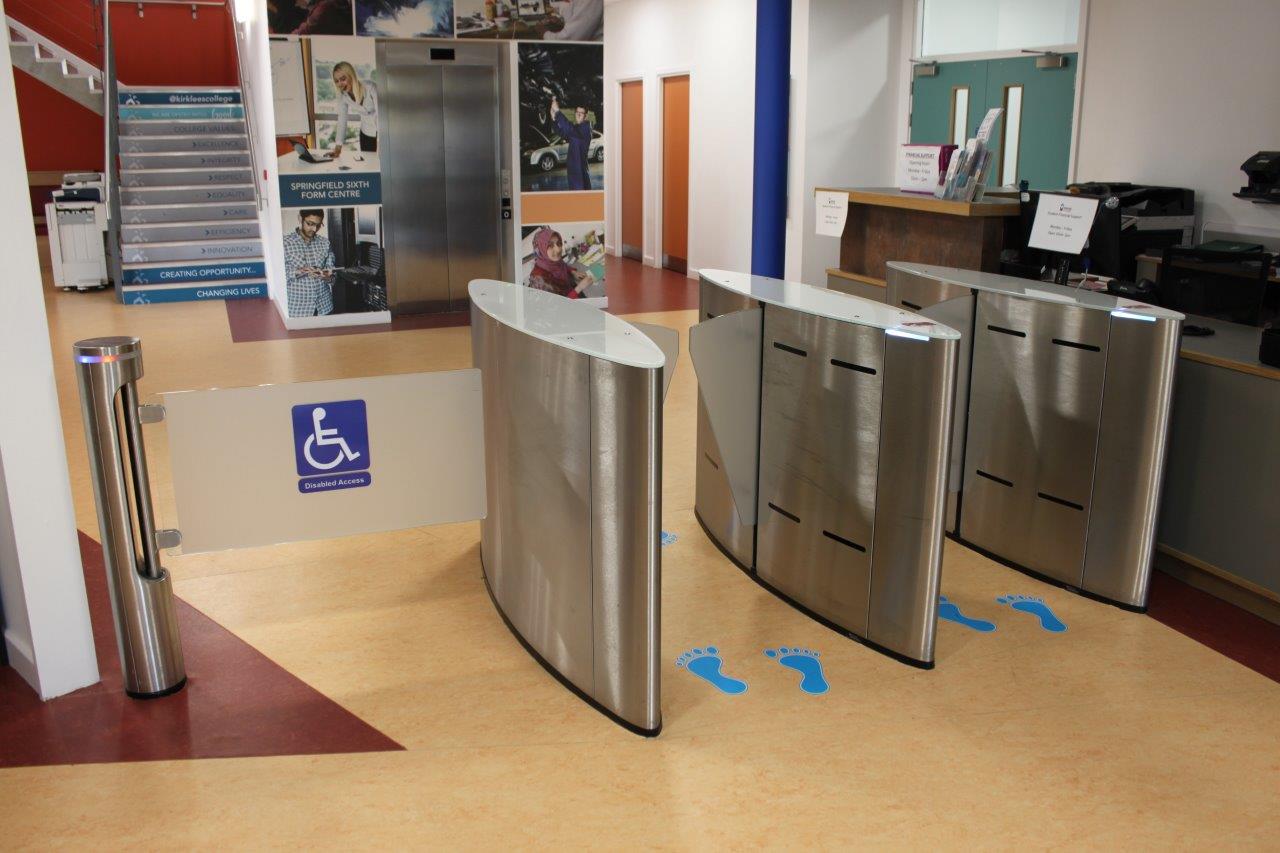
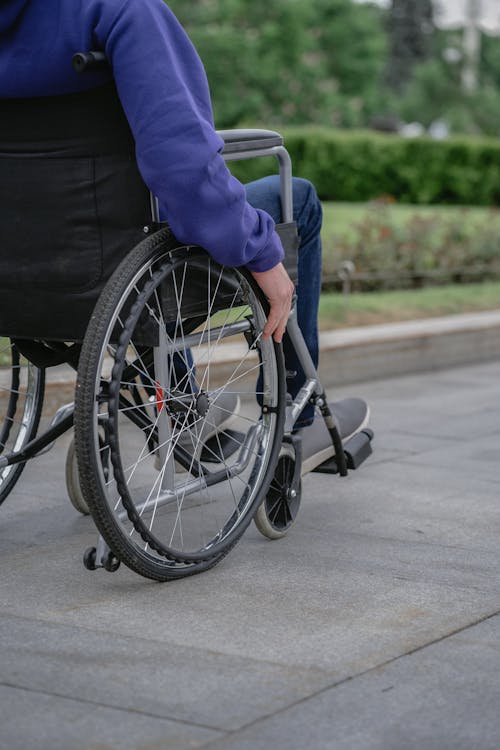
Perhaps more than anywhere else, healthcare environments must meet the Equality Act and Approved Document M requirements so that patients, visitors, and staff can access spaces without difficulty and independently. Lever handles that are easy to grip and operate are helpful, particularly those with return-to-door designs that avoid clothes snagging. Handles that contrast visually with the door surface can also assist people who are blind or partially sighted.
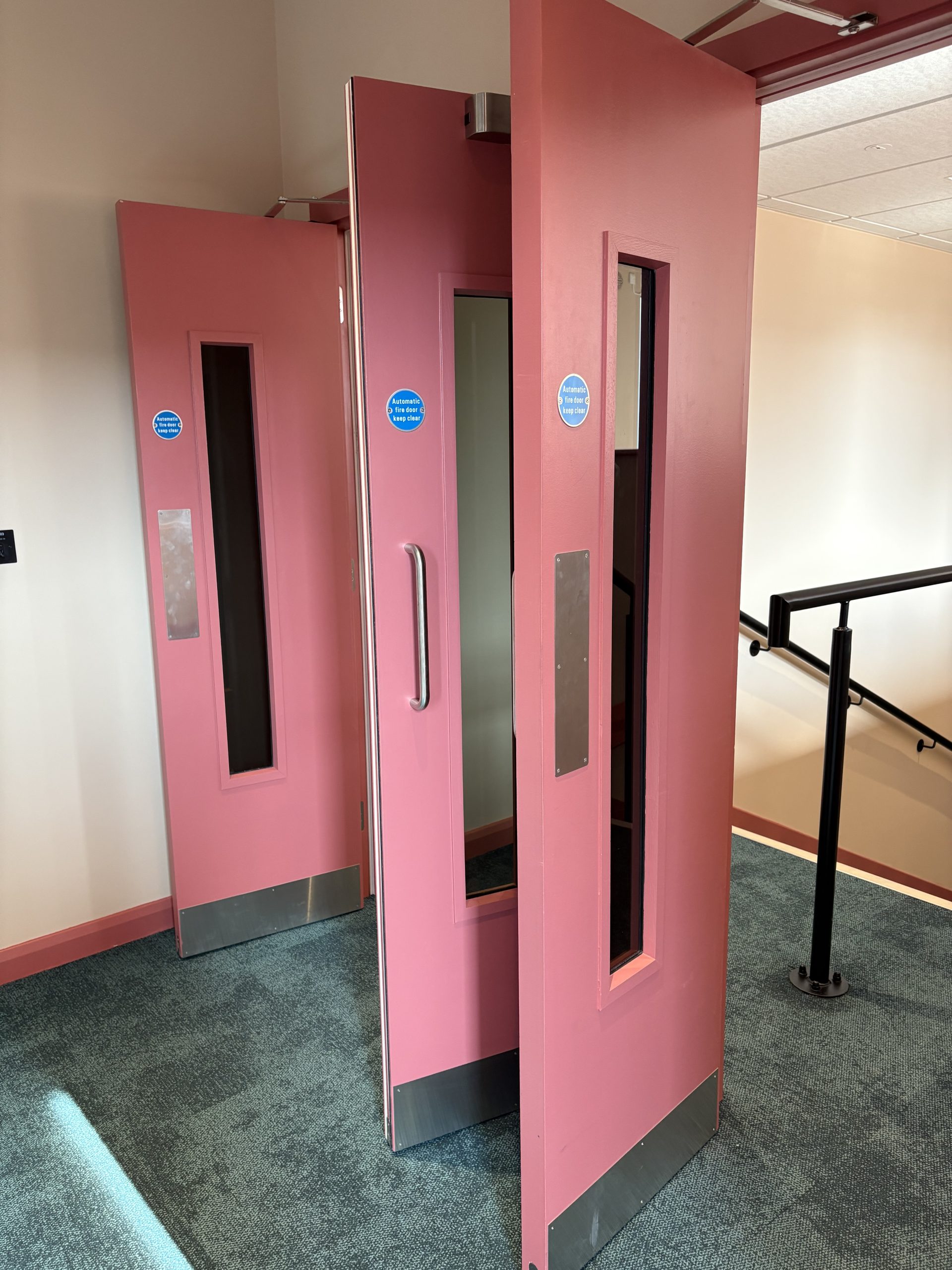
Door closers need to balance fire safety with ease of use: strong enough to latch reliably but not so forceful that they create a barrier for wheelchair users or people with limited strength and mobility. Electromagnetic hold-open or swing-free closers are often used in corridors and wards, keeping doors open for ease of movement but closing them when triggered by an alarm. Low-resistance locks and latches can help users with limited dexterity and may be particularly useful in clinics, care homes and accessible toilets.
3. Safety in Mental Health and High-Risk Areas
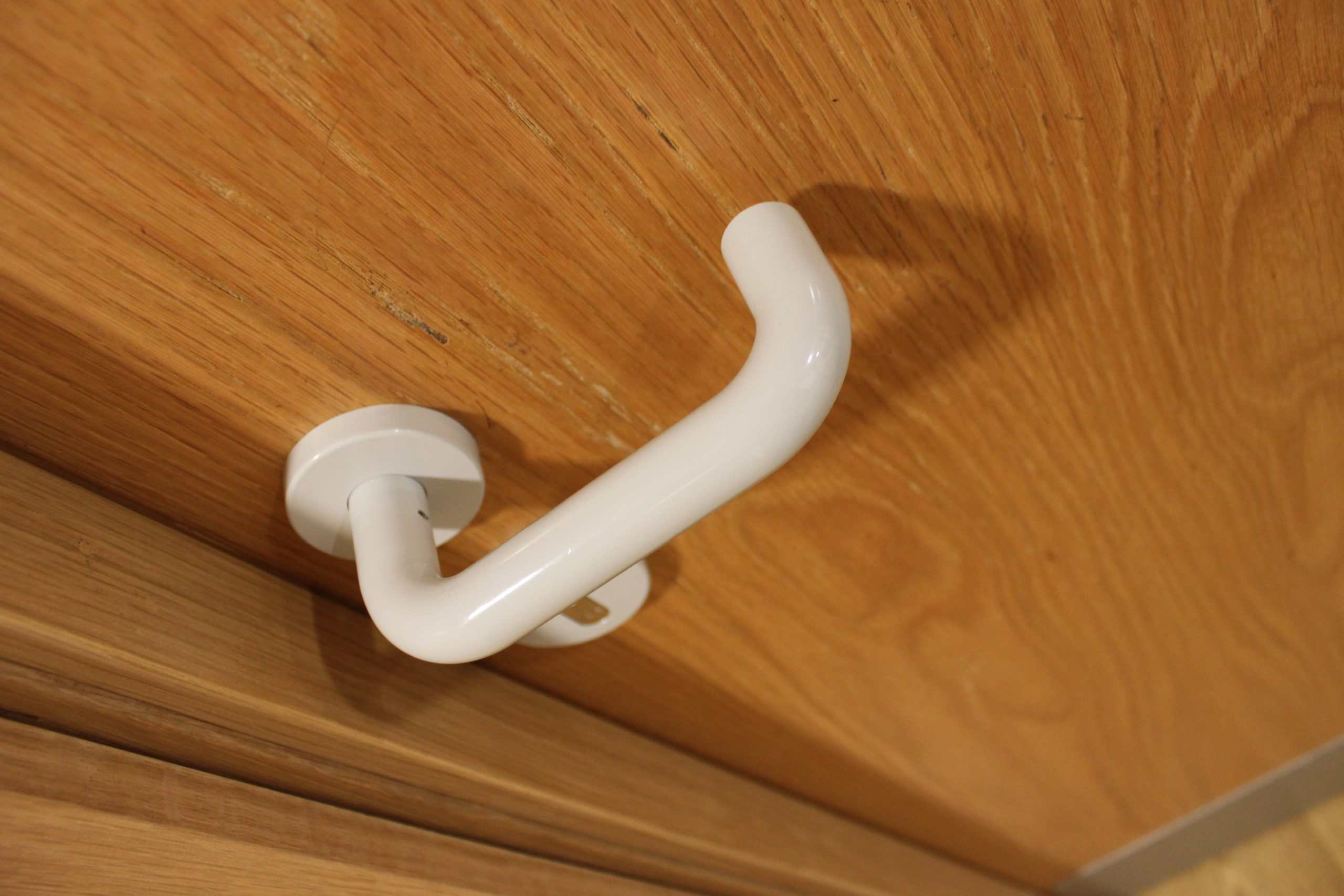
In mental health settings or high-dependency wards, specialist hardware that reduces opportunities for self-harm can help support patient safety. Reduced-ligature components, including handles, escutcheons, door stops and hinges, can help reduce potential ligature points.
Where privacy is essential, but emergency access is still required, door hardware should allow staff to override internal locks quickly and safely – especially important for en-suite bathrooms, where magnetic privacy locks with staff access override offer a discreet and practical solution. In some cases, door sets may include vision panels with built-in blinds or privacy film, helping to maintain dignity while allowing safe observation.
4. Durability and Performance
Hospitals and healthcare facilities are in constant use, potentially with thousands of door movements every day. Hardware must perform reliably over time, even under heavy use. Look for products that meet high-performance classifications under the relevant BS EN standards—such as BS EN 1906 for handles and BS EN 12209 for locks. Heavy-duty hinges and closers are often required in high-traffic areas like corridors and entrances. Where hardware is frequently cleaned or located in damp environments, finishes such as PVD coating or high-grade stainless steel can help maintain appearance and functionality over time.
5. Security and Access Control
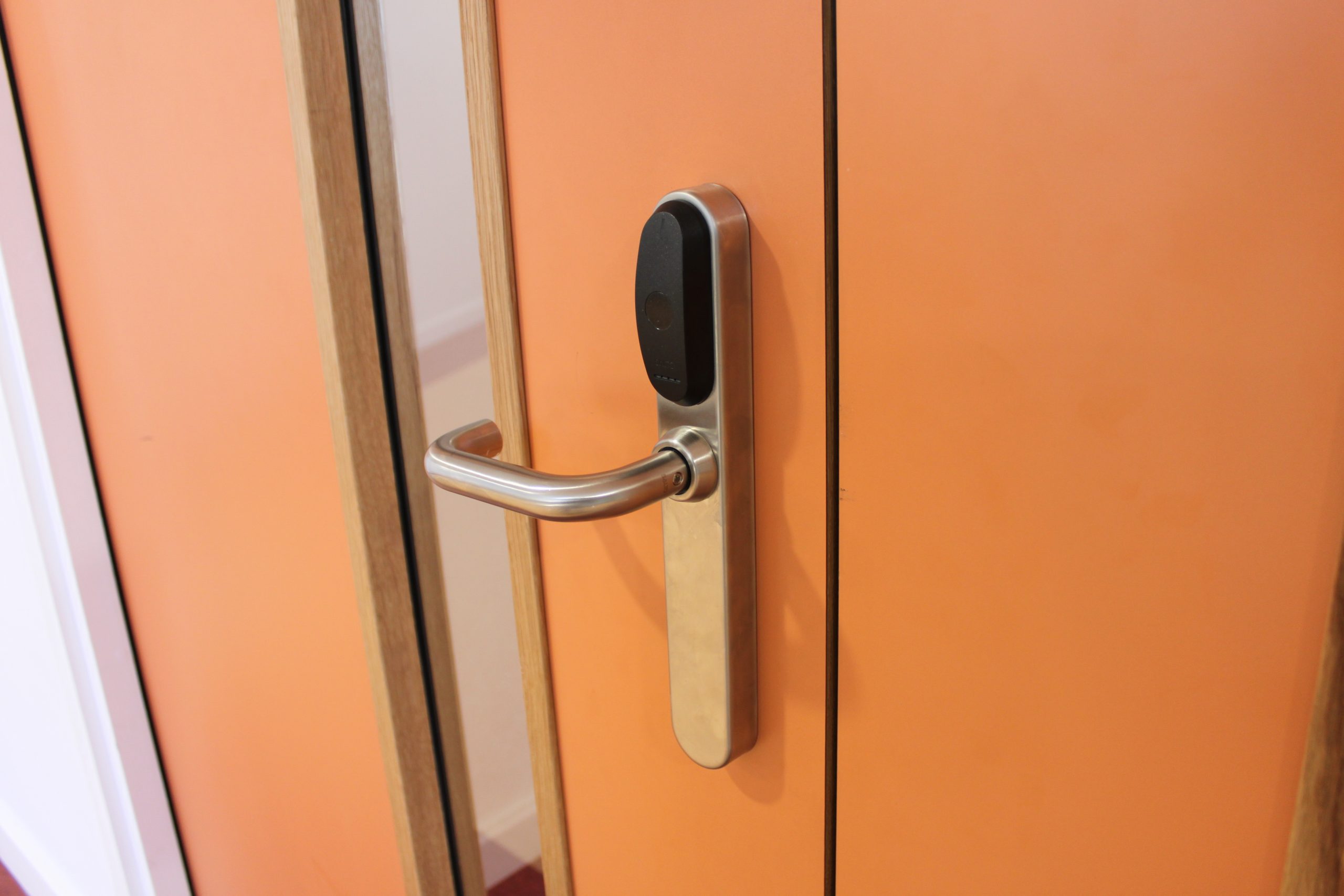
Security is also a key consideration, especially in clinical areas, treatment rooms and medication stores. Mechanical or electronic locking systems can manage zoned access so that staff can move freely while patient areas remain protected. Locks and cylinders should support emergency override via mechanical master key systems or integration with access control software. In patient areas such as toilets or changing rooms, privacy should be balanced with safety and hardware like thumb turns with external coin release or anti-barricade functionality can help maintain both.
6. Maintenance, Lifecycle and Standardisation
Keeping hardware consistent across a healthcare estate makes maintenance easier and more cost-effective. Standardised ironmongery helps reduce downtime, streamline procurement, and supports ongoing compliance. Working with suppliers like Em-B, who provide clear documentation, spare parts, and technical advice, can make a big difference, particularly when it comes to meeting performance requirements and legal standards. The specification conversation should always involve CE/UKCA marking and appropriate warranties.
From infection control to emergency override and inclusive access, well-specified hardware supports both patient safety and staff efficiency. By starting with the needs of the environment and the people using it, architects and specifiers can help create safer, cleaner and more accessible healthcare spaces.
If you would like help making your clinic, hospital, or healthcare facility cleaner, safer and more accessible, speak to our access control and ironmongery specialists.