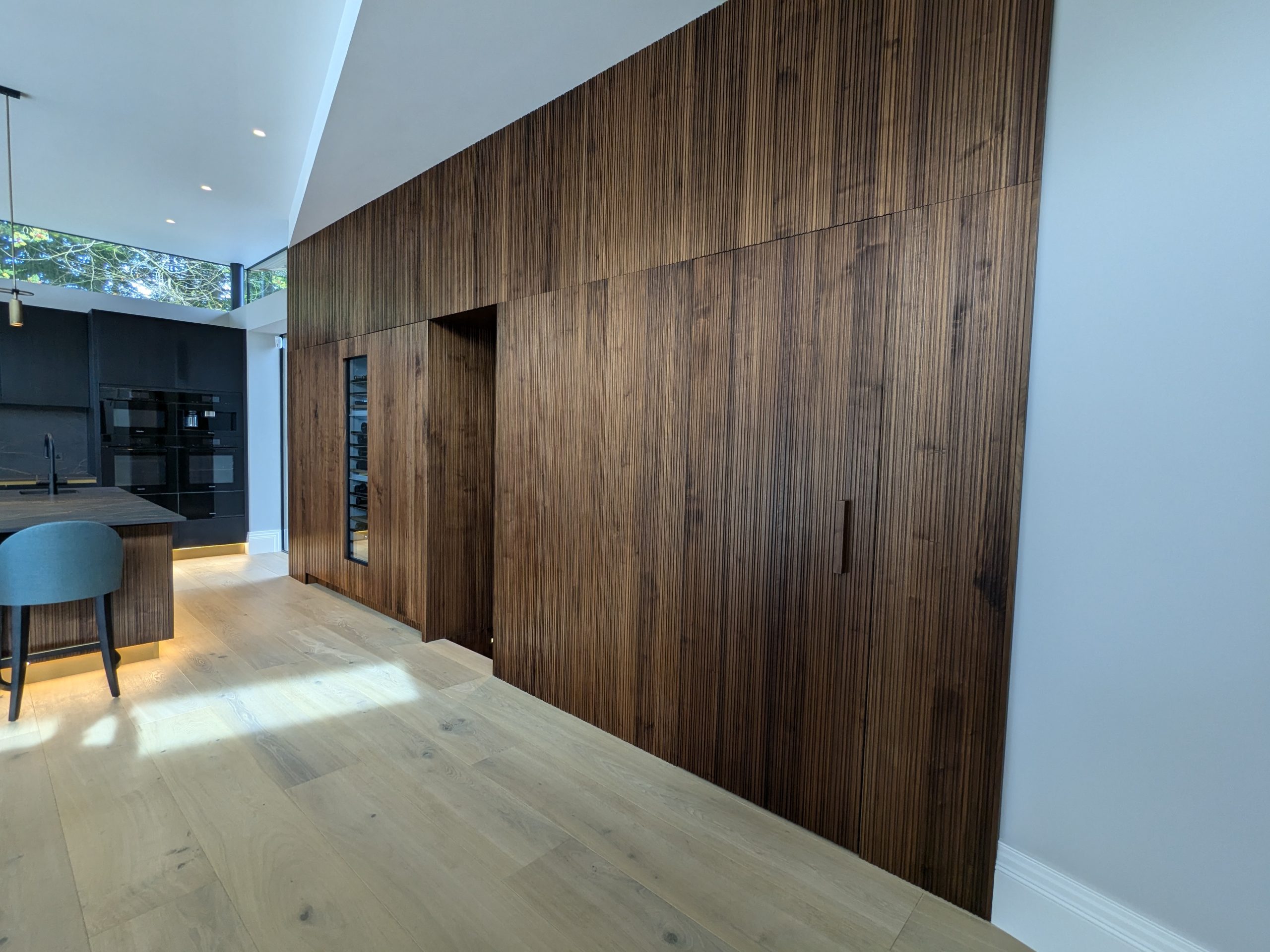
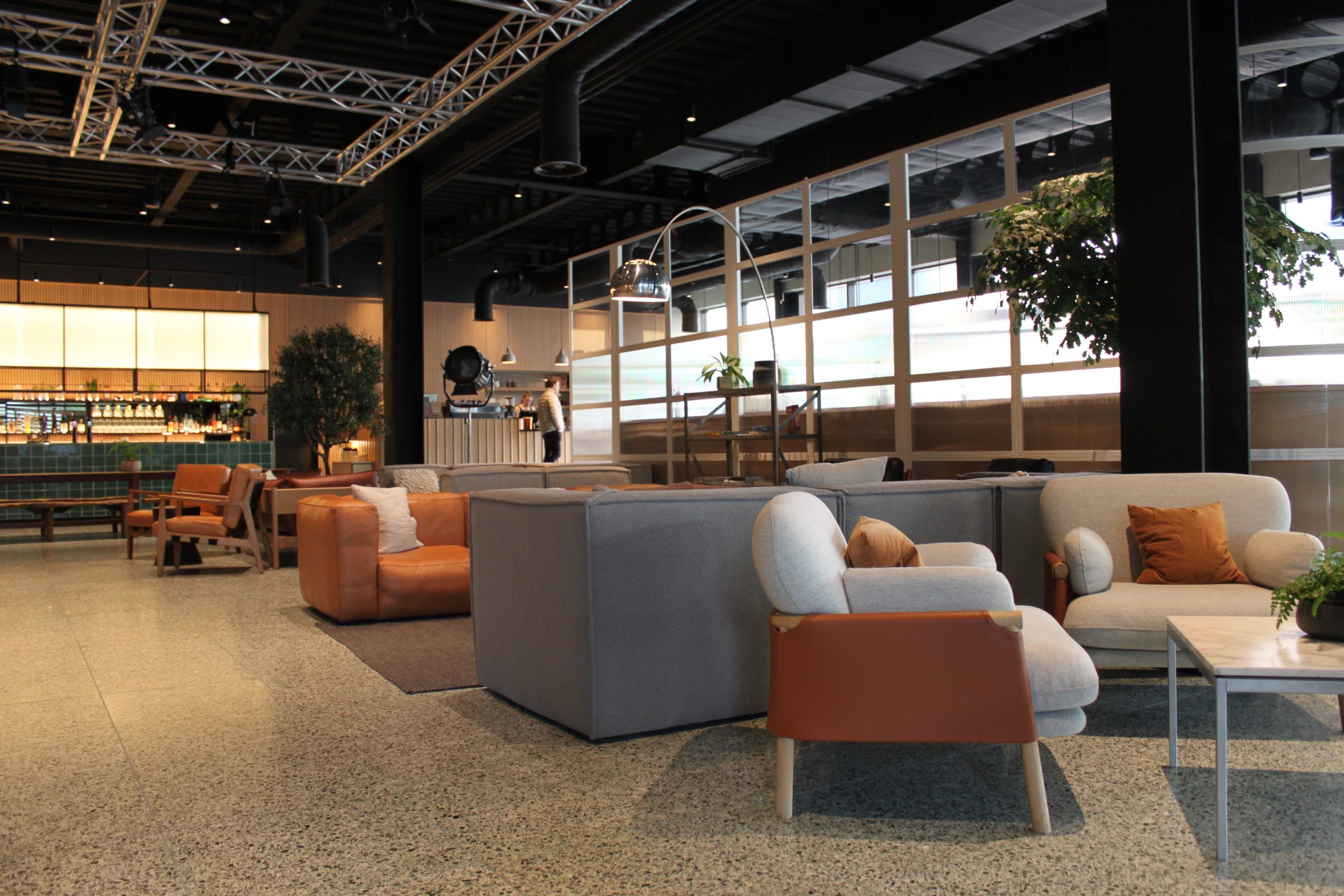
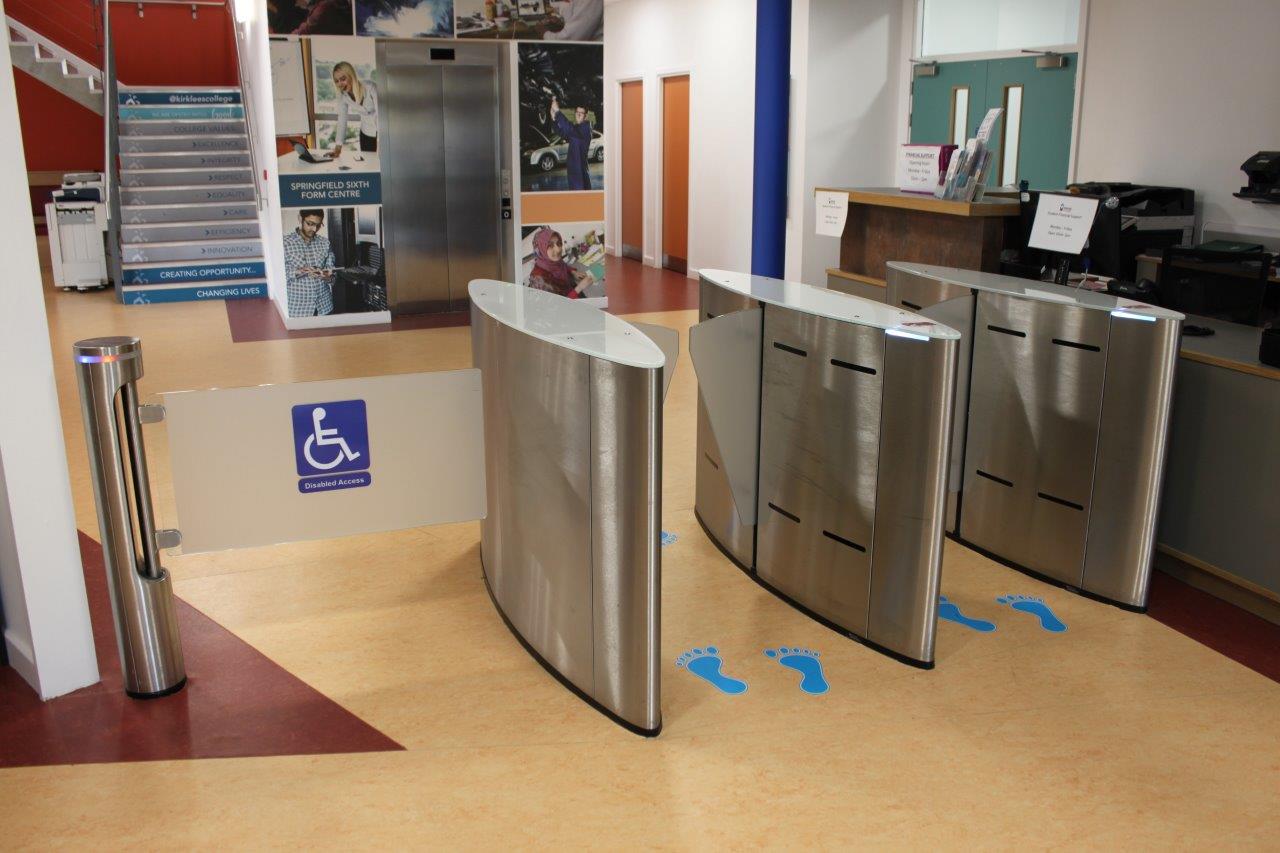
Interior design schemes are detailed plans which involve many different factors. An effective interior design scheme will successfully balance colours, shapes and functions so that a building is both aesthetically pleasing, but also operationally practical. This is not an easy thing to achieve and requires a lot of skills, most notably an attention to detail. This means an interior designer would pay as much attention as possible to every item and wouldn’t overlook even the smallest and most inconsequential item. Essentially, every piece of furniture, hardware or detail in a property is important to an interior designer, and that includes architectural hardware.
People might think primarily about a residential property when talking about interior design, but it is also important that a commercial property looks good, works well and is effective and suitable for the people working in it. This is the main objective of the interior designer, and architectural hardware comes into this category as a sub-section of items which demand suitable attention. Here we have listed the main types of architectural hardware and what you need to consider when choosing them for a property and matching them to an interior design scheme:
- Locks and cylinders – Although there are other factors to consider in addition to colours, these are a very important factor and obviously are the most visual element of a design scheme. So the finish of locks and cylinders need to work visually, in terms of whether they are chrome or brass, for example. There are more visual elements to a lock or cylinder than you might initially imagine, and where there are many doors lined up together, this can have a big impact.
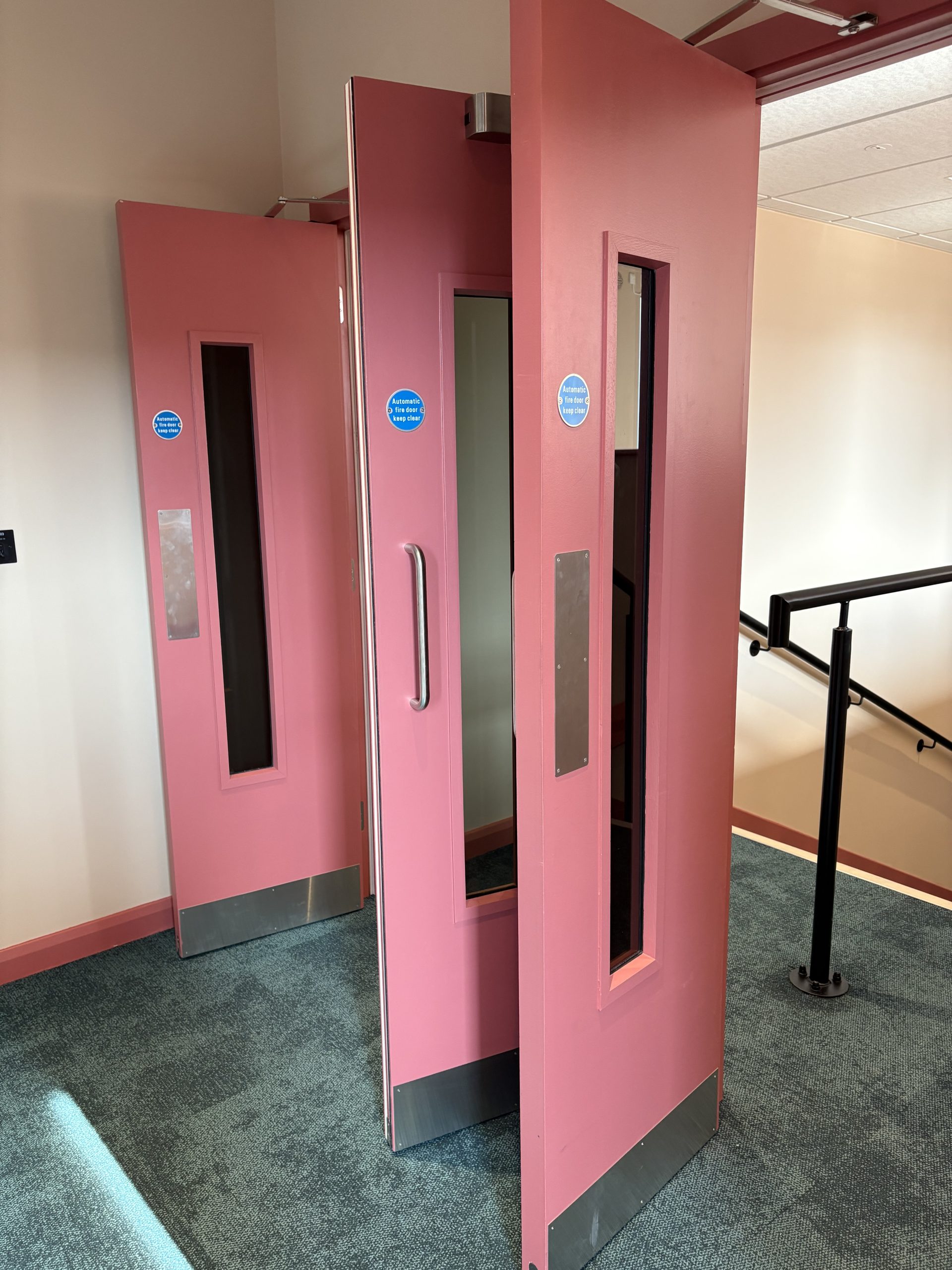
- Door closers – The traditional two-piece hinged door closer is perhaps the most common type, and this is very effective, but is not always suitable for an interior design scheme. This type of overhead door closer is often used in high traffic locations, such as in healthcare, shopping centres and educational buildings. In this setting, the aesthetic appeal is perhaps not the priority, and effective and reliable functionality is. However, in a different commercial setting, the visual appeal is more important. So in a restaurant, a beauty clinic, a hairdressing salon or a smaller, boutique shop, you could opt for a concealed door closer which has no visible mechanics. These can be installed into the door edge or into the floor, but effectively provide the same function.
- Hinges – You might not think of a hinge as a visible piece of hardware, but get the colour scheme wrong and you will certainly notice. So hinges have to match other elements of your door furniture, such as handles and locks, and they also have to match the overall colour scheme and the overall theme of the design, such as traditional, period or contemporary.
- Signage – Legal compliance in terms of health and safety signage for doors can’t be compromised to suit an interior design scheme, and instructional signs have to be a certain colour. But you can anticipate this with your scheme and adapt the scheme to suit these colours. This maintains the signs as visible and effective, but means your overall scheme still works.
- Panic hardware – Can you use more discreet hand pad buttons or handles, rather than a full width panic bar on a door? This might suit your scheme better, but still provides the practicality and legal compliance you need.
- Plates – This refers to kick plates and finger plates for doors, and while you can match sizes and finishes to suit interior schemes, you do need to ensure these are still practical and effective for their primary use, ie. to protect the door.
Check out our range of architectural hardware
You can select the type of architectural hardware you need from our online range at EM-B and choose the style and colour range to suit your interior design scheme.