The UK’s proposed Martyn’s Law, also known as the Protect Duty, will introduce new legal responsibilities for venues and public spaces to improve protection against terrorist attacks. For many building owners, operators and facilities managers, the key question is simple: what will Responsible Persons actually have to do to achieve Martyn’s Law compliance?
The final details of how the legislation will work in reality on a daily basis are still emerging. But the direction of travel is clear: organisations responsible for publicly accessible locations will need to assess terrorism risks, implement proportionate security measures, and ensure staff understand exactly how to respond in an emergency.
For buildings, that inevitably includes how doors, access control and security systems operate in both everyday use and crisis situations.
What Is Martyn’s Law?
The Terrorism (Protection of Premises) Act 2025, more commonly known as Martyn’s Law, is named after Martyn Hett, who was killed in the Manchester Arena terrorist attack in 2017. The legislation aims to improve preparedness for terrorist incidents in public venues.
The law is designed to ensure organisations take reasonable and proportionate steps to reduce the risk of harm in the event of an attack.
In practice, this means venues will need to think about several issues:
- how people enter and exit buildings
- how access to sensitive areas is controlled
- how emergency lockdown or evacuation procedures work
- how staff are trained to respond to incidents
The intention is not to create fortress-like environments, but to ensure that basic security planning is enshrined in routine, everyday practice.
Who Will Be Responsible for Compliance?
Under the new law, responsibility for Martyn’s Law compliance will typically fall on the organisation or individual responsible for the premises. This might include building owners, facilities managers, venue operators, event organisers, and duty holders responsible for building safety
These individuals are often referred to as the Responsible Person under the proposed legislation. Their role will include ensuring that appropriate risk assessments are carried out and that reasonable security measures are implemented.
The Two-Tier Structure of Martyn’s Law
Current proposals suggest the legislation will apply through a two-tier framework based on venue capacity.
- Standard Tier: This tier is expected to apply to publicly accessible venues with a capacity of 100 to 799 people.
The aim in this tier is to make sure that staff know what to do if something happens, rather than introducing complex security infrastructure. Requirements are likely to focus on:
- basic terrorism awareness training
- simple preparedness plans
- clear procedures for responding to incidents
2. Enhanced Tier: venues with a capacity of 800 people or more are likely to fall under the Enhanced Tier.
Large venues like arenas, major transport hubs, and large public buildings will fall into this Enhanced Tier category. They will have to carry out more detailed risk assessments and implement the appropriate mitigation measures. This might include:
- documented security plans
- enhanced access control arrangements
- surveillance and monitoring systems
- formal staff training and drills
- coordination with emergency services
What Martyn’s Law Means for Building Security
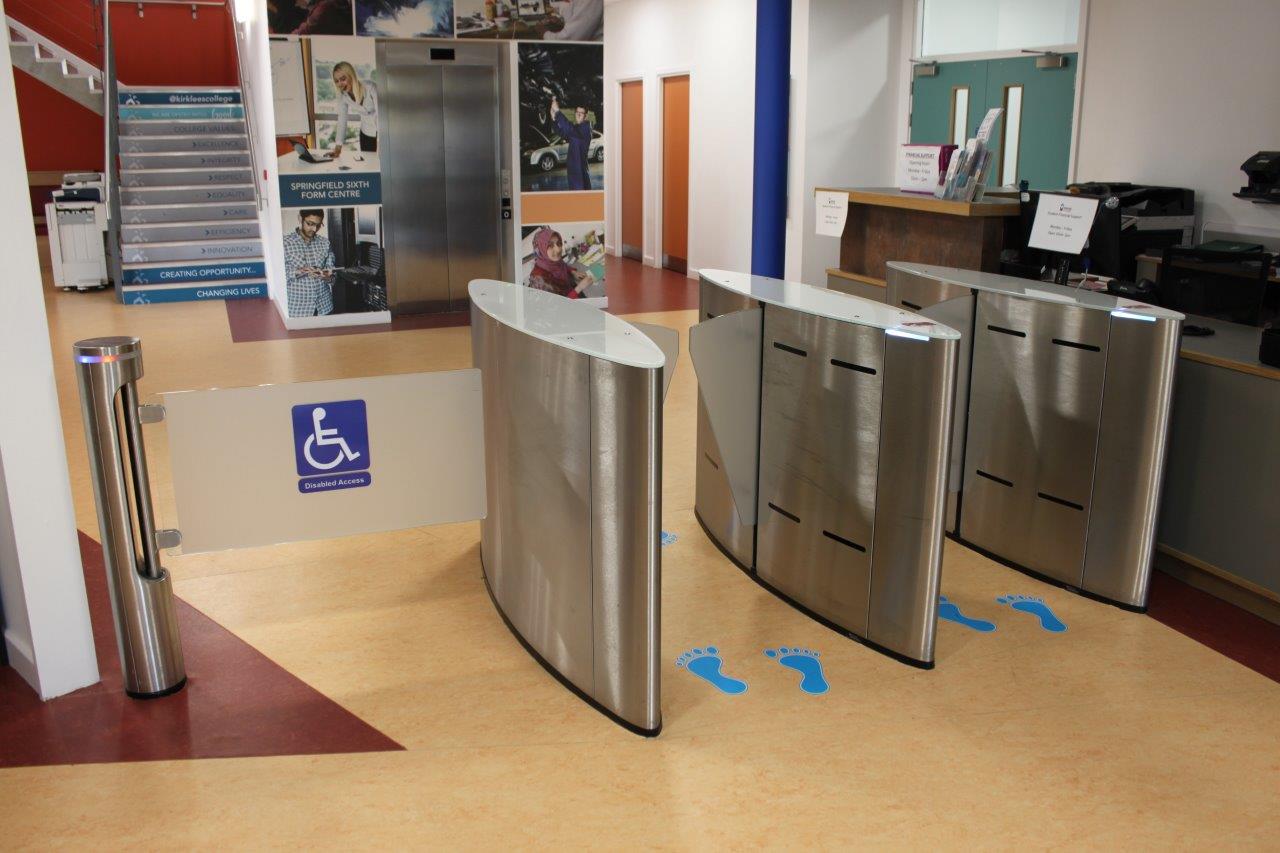
Although Martyn’s Law is not specifically about doors or hardware, the built environment in these venues will play a major role in security planning. How people enter, move through and exit a building directly affects how well it can respond to a potential threat.
Several aspects of building design and management are particularly relevant.
Managing Entry Points
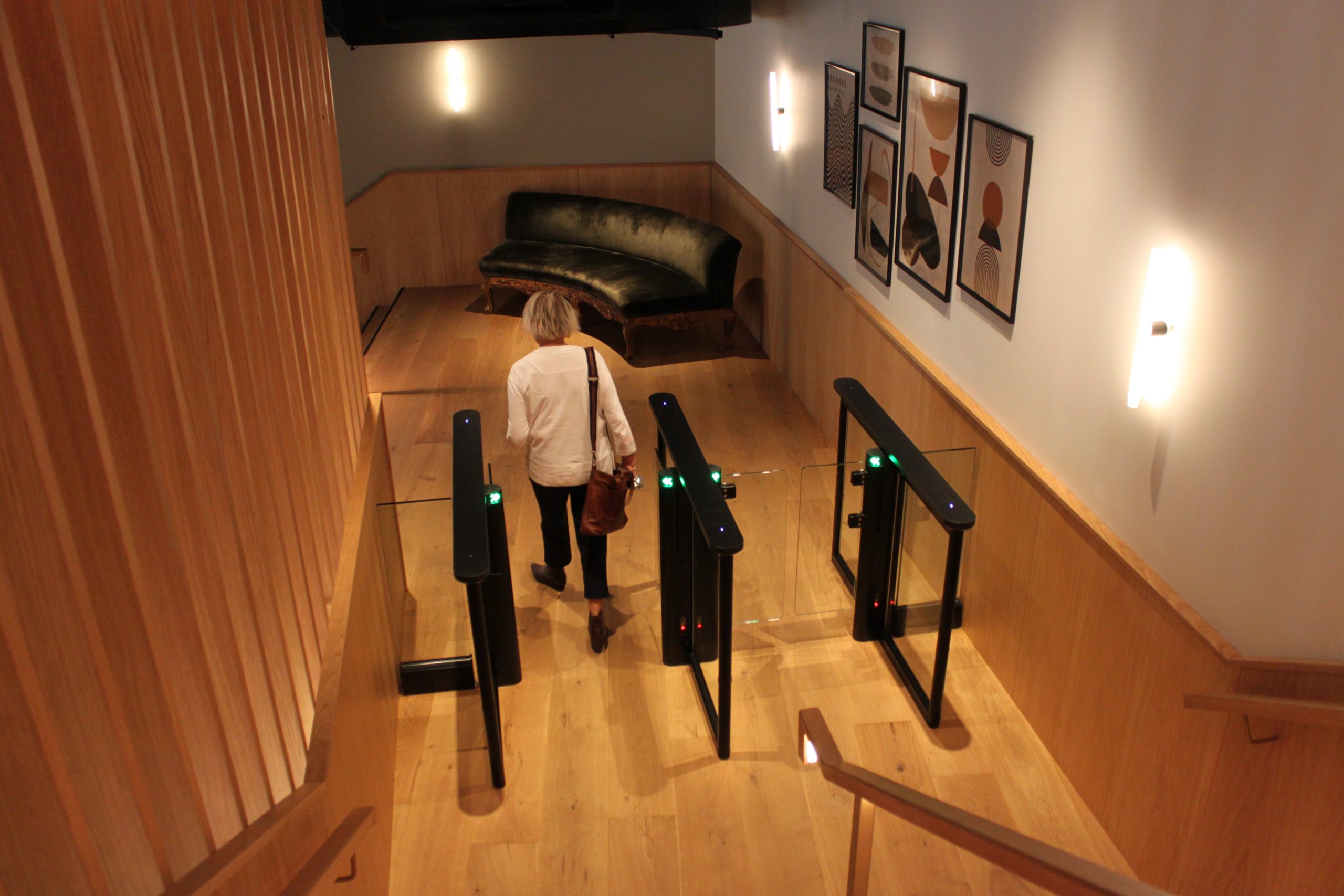
Buildings need to understand who can enter, when and through which doors.
This may involve access control systems, visitor management procedures, monitored reception areas, and controlled staff-only zones.
Modern access control solutions allow building managers to manage permissions, track activity and revoke access quickly if needed.
Protecting Sensitive Areas
Many buildings contain areas that should only be accessible to authorised personnel. Examples include plant rooms, IT infrastructure spaces, staff-only areas, and storage rooms.
Access control systems allow organisations to manage entry to these spaces without relying on traditional keys, which are difficult to track or revoke.
Enabling Emergency Egress
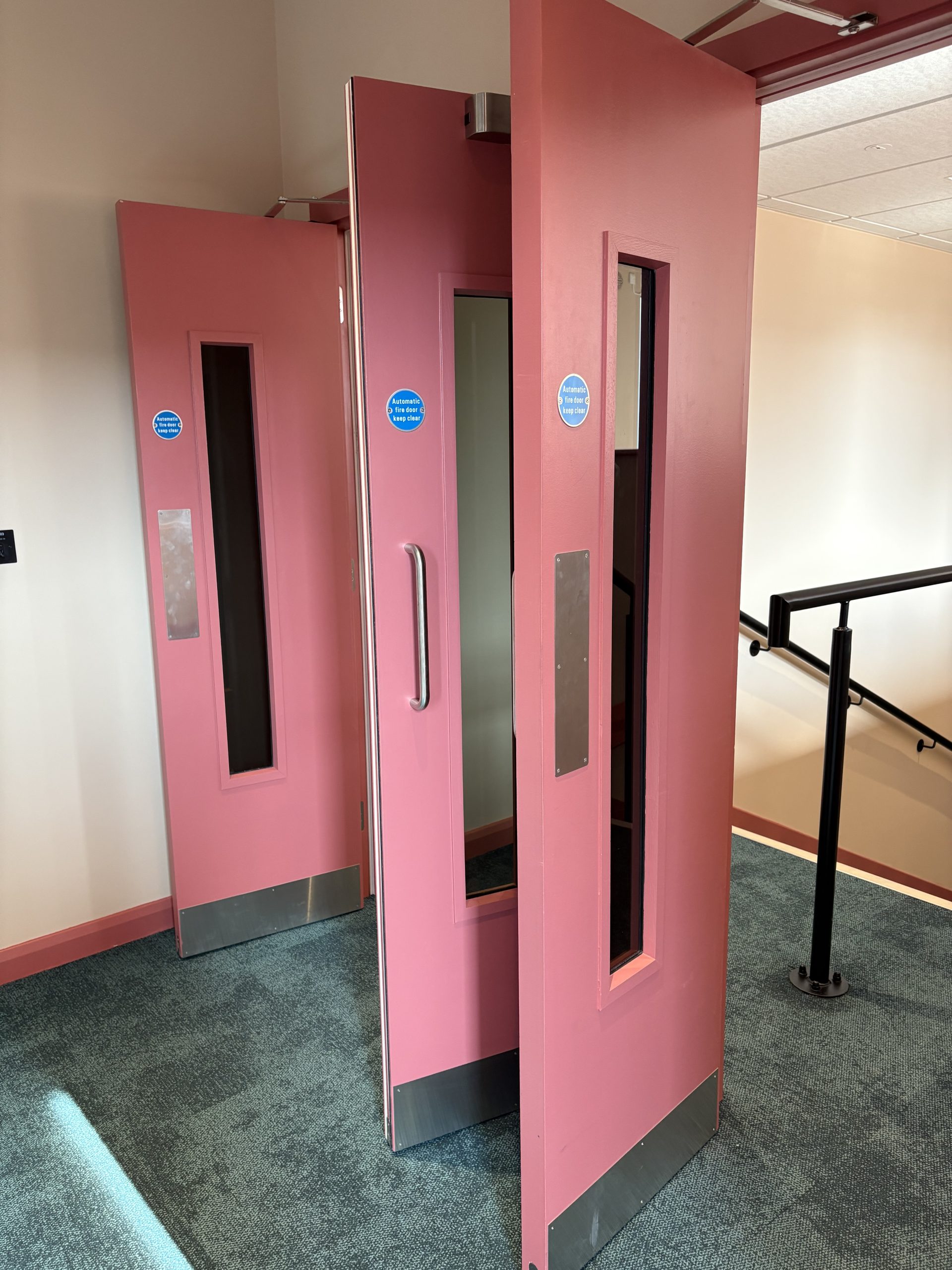
One of the biggest challenges is ensuring that security measures do not compromise life safety. In an emergency, people must still be able to evacuate quickly and safely. Door hardware, access control, and locking systems, therefore, need to work correctly with other systems such as fire alarm systems, escape routes, and emergency release mechanisms. For example, many access control systems automatically release doors when the fire alarm activates, ensuring occupants can exit safely.
Why One-Size-Fits-All Security Doesn’t Work
Every building is different. A school, a hospital, a hotel and a co-working space will all have very different patterns of occupancy, visitor access and security requirements. That’s why access control systems need to be tailored to the way the building actually operates.
For example, a busy co-working space may require flexible access control that can handle large numbers of users while maintaining security. In one such project at Leeds Dock, Em-B designed a web-based system that allows users to access it via smartphones while giving building managers full control over permissions and activity monitoring. Systems like this can also expand over time to integrate with other building functions, such as visitor management or locker access.
Preparing Your Building for Martyn’s Law
The legislation is still progressing through Parliament, but organisations responsible for publicly accessible venues can start preparing for Martyn’s Law compliance now. A sensible starting point includes:
- reviewing how people enter and exit the building
- identifying vulnerable access points
- assessing whether access control systems are adequate
- ensuring security measures do not conflict with fire safety requirements
- reviewing staff awareness and emergency procedures
How Specialists Can Help
Panning under Martyn’s Law will often involve the practical realities of how doors operate. Door hardware and access control systems play a key role in ensuring buildings remain secure, accessible, and compliant with life safety requirements.
Specialist ironmongers and access control installers can help organisations review existing door systems, assess vulnerabilities and develop solutions that integrate security with day-to-day building operations. Because every building operates differently, the most effective approach is always to assess the site individually and develop a tailored solution.
Read more About Martyn’s Law
This article forms part of Em-B’s Martyn’s Law guidance series for building owners, facilities managers and design teams.
You can also read our overview of how Martyn’s Law affects doors and access control, download our readiness checklist, and explore how lockdown, evacuation and hardware specification all contribute to a compliant, proportionate security strategy.
Speak to Em-B About Martyn’s Law Readiness
If you are responsible for a building or publicly accessible venue, it may be worth reviewing your door security and access control arrangements ahead of Martyn’s Law coming into force.
The Em-B team works with architects, facilities managers and building owners to design and install integrated door and access control systems that balance security, accessibility and compliance.
If you would like to discuss how your building may be affected by Martyn’s Law, our team can help you assess your current arrangements and identify practical improvements.
Martyn’s Law, also known as the Protect Duty, is UK legislation (The Terrorism (Protection of Premises) Act 2025) requiring publicly accessible venues to assess and mitigate the risk of terrorist attacks through proportionate security measures.
The Responsible Person is usually the organisation or individual responsible for the premises, such as a venue operator, building owner or facilities manager.
Current proposals suggest the legislation will apply to publicly accessible venues with a capacity of 100 people or more, with additional requirements for larger venues.
The law does not mandate specific technologies, but many venues may implement access control systems to manage entry points and restrict access to sensitive areas
The legislation is still progressing through Parliament. However, organisations responsible for public venues are encouraged to start reviewing their security preparedness in advance.