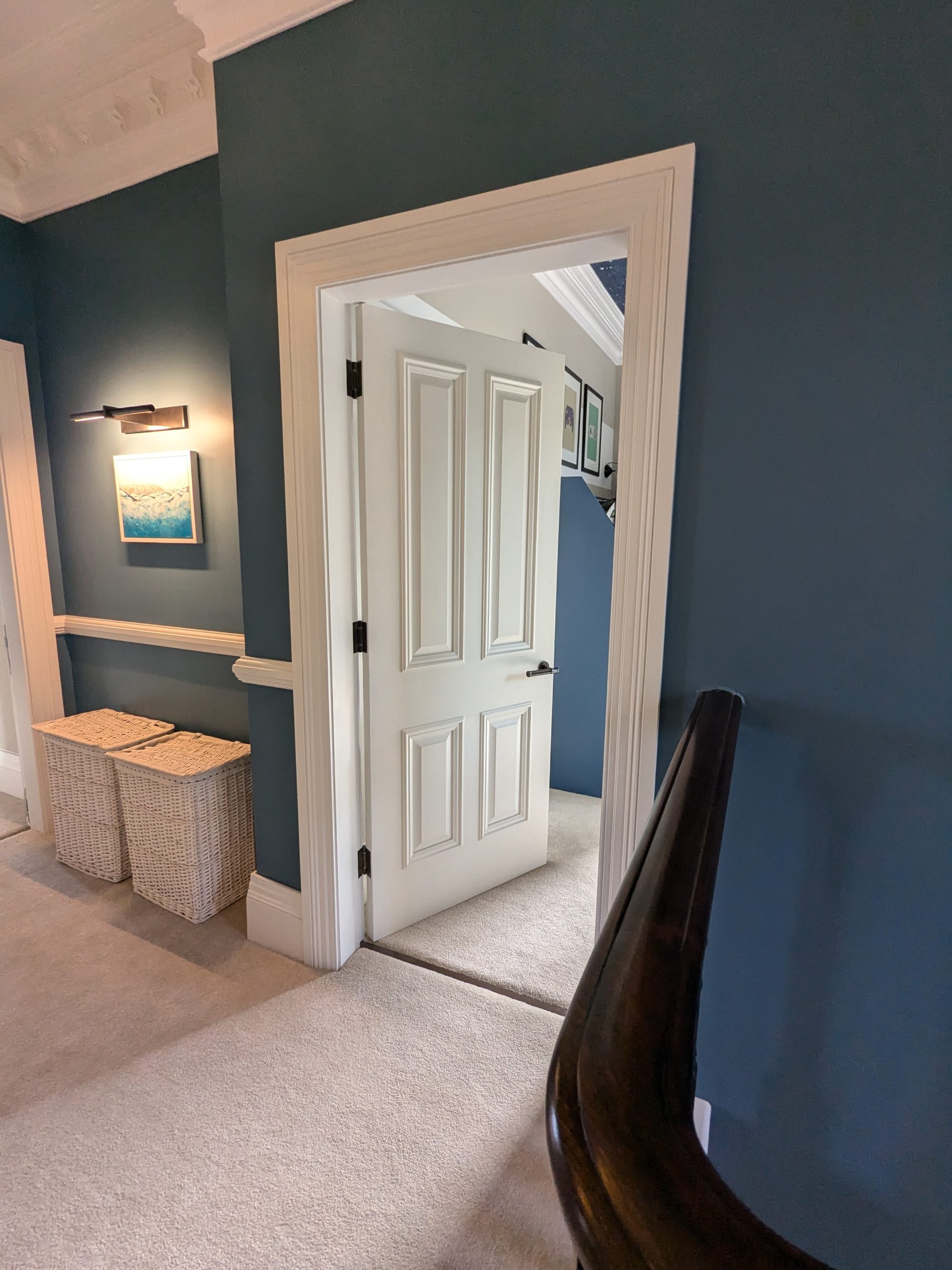
Great hotel design relies on rhythm and repetition. From the first door a guest opens to the last one they close, consistency in look, feel, and performance of the door hardware for hotels shapes their impression of quality. Hardware plays a quiet but critical part in achieving that unity.
At Em-B, we work with architects and interior designers to ensure every hinge, handle, and closer supports the overall design vision. Across projects such as Grantley Hall, Gleneagles Townhouse, and Dakota Hotel Newcastle, the design continuity of door hardware for hotels starts with specification discipline and ends with perfectly coordinated detail.
Design Continuity: More Than a Matching Finish
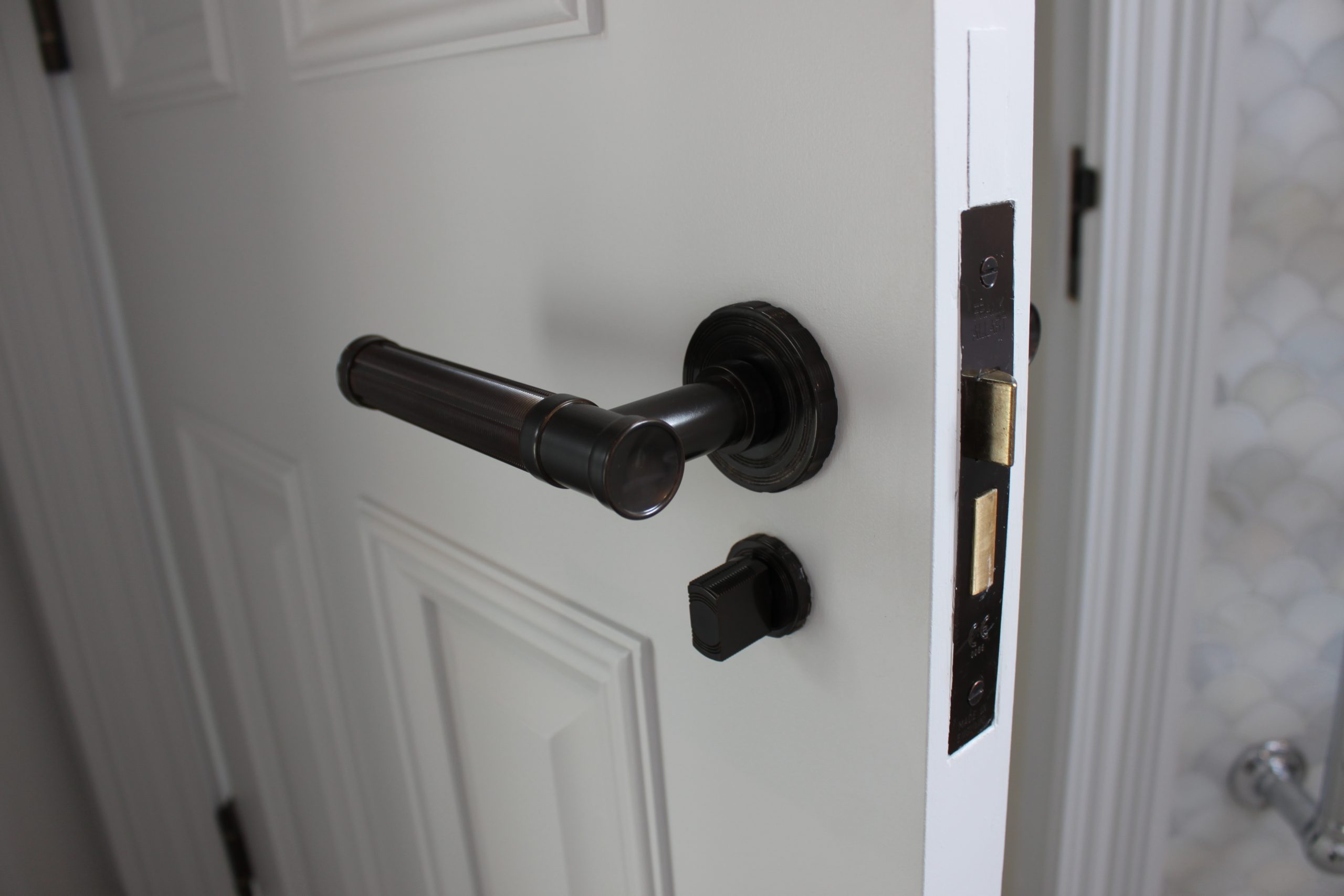
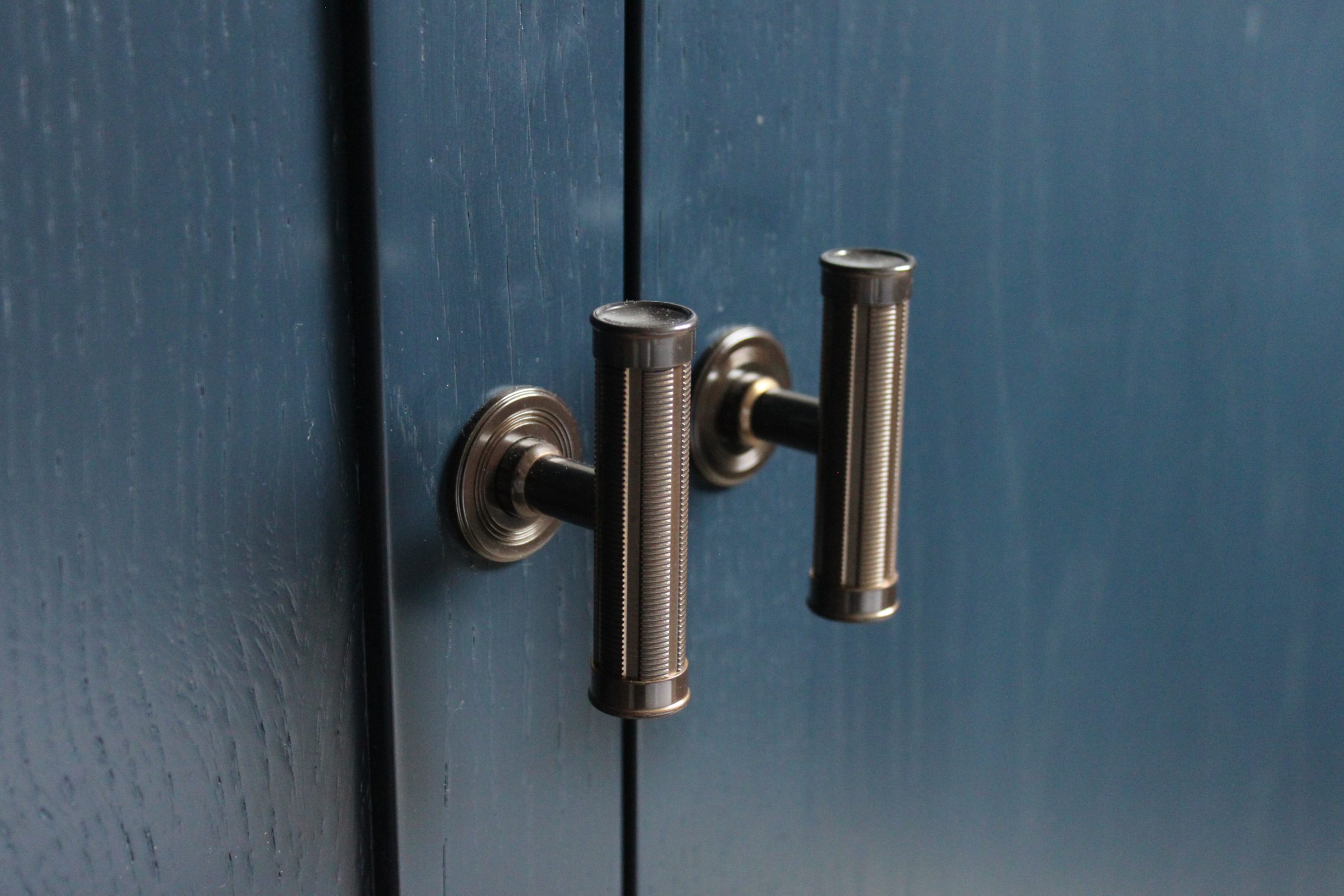
Accurate design continuity goes beyond choosing one colour or texture. It’s about how every visible component relates to the next, materials, proportions, and even how hardware catches the light. Handles, hinges and escutcheons must work together visually while delivering the correct mechanical and compliance performance.
At Grantley Hall, bronze finishes were used throughout, uniting modern extensions with heritage interiors. Every visible element—door furniture, window hardware, and even access-control bezels—was coordinated to maintain a single design language.
Coordinating Finishes Across Spaces
Hotel interiors have to move between public style and private quiet. Each zone has its own atmosphere, but the coordination of finish and design keeps that design journey coherent. Warm metallics might define guest floors, while cooler tones set the tone in spas or conference areas; the design DNA should remain unmistakable.
For Gleneagles Townhouse, we sourced complementary patinas for both public and private areas, balancing durability with period authenticity in front-of-house areas and functional practicality in the back of house. The result was door hardware for hotels with a refined palette that felt deliberate rather than matched by chance.
Hardware That Supports Brand Identity
Door hardware is one of the few touchpoints guests physically engage with, so it must express the brand as clearly as signage or scent. Texture, weight and motion all contribute. A door that feels solid and closes softly speaks of care and quality.
At Dakota Hotel Newcastle, the specification emphasised subtle luxury—dark finishes, clean geometry and smooth operation. Each element reinforced the hotel’s minimalist sophistication without detracting from the interior design.
Balancing Design Intent and Compliance
Continuity also means ensuring that performance standards never disrupt the aesthetic. Fire-rated hinges, smoke seals and access-control readers must blend into the design story. The key is early collaboration between architects, designers and hardware specialists, so compliance is built in rather than added later.
During the refurbishment of the Harrogate Inn, Em-B supplied coordinated fire-rated hardware with intumescent protection concealed behind plates and covers, preserving both safety and visual flow.
Planning for Longevity
Design continuity shouldn’t fade with the first maintenance cycle. Choosing hardware that remains available, repairable, and finish-consistent protects the designer’s intent for years to come.
We recommend selecting from manufacturers with stable finish portfolios and robust after-sales support. This approach ensures future refurbishments or replacements don’t interrupt the aesthetic narrative built at launch.
Design continuity for hotel hardware
Design continuity is what separates a well-fitted building from a truly memorable one. Coordinated hardware brings harmony to movement, sound and touch—details that guests may never consciously notice but always feel.
If you’re planning or refurbishing a hotel, talk to the Em-B team about specifying hardware that unifies design, compliance and performance from first impression to final detail.
By reflecting the same design principles as the interior scheme. Through finish, texture and movement, hardware can become a tactile extension of the brand.
Work with a single hardware partner to source complementary finishes and maintain consistency across multiple suppliers and product ranges.
Yes. Modern certified components come in a wide range of finishes and profiles so they can be stylish as well as compliant.
At the concept stage. Early coordination between design and specification teams ensures finish palettes and technical requirements align before procurement.
Choose suppliers with long-term product availability and clear documentation so replacements match the original installation exactly.